
The eruption of Mount Pelée
Warning signs: “the eve of the eruption”
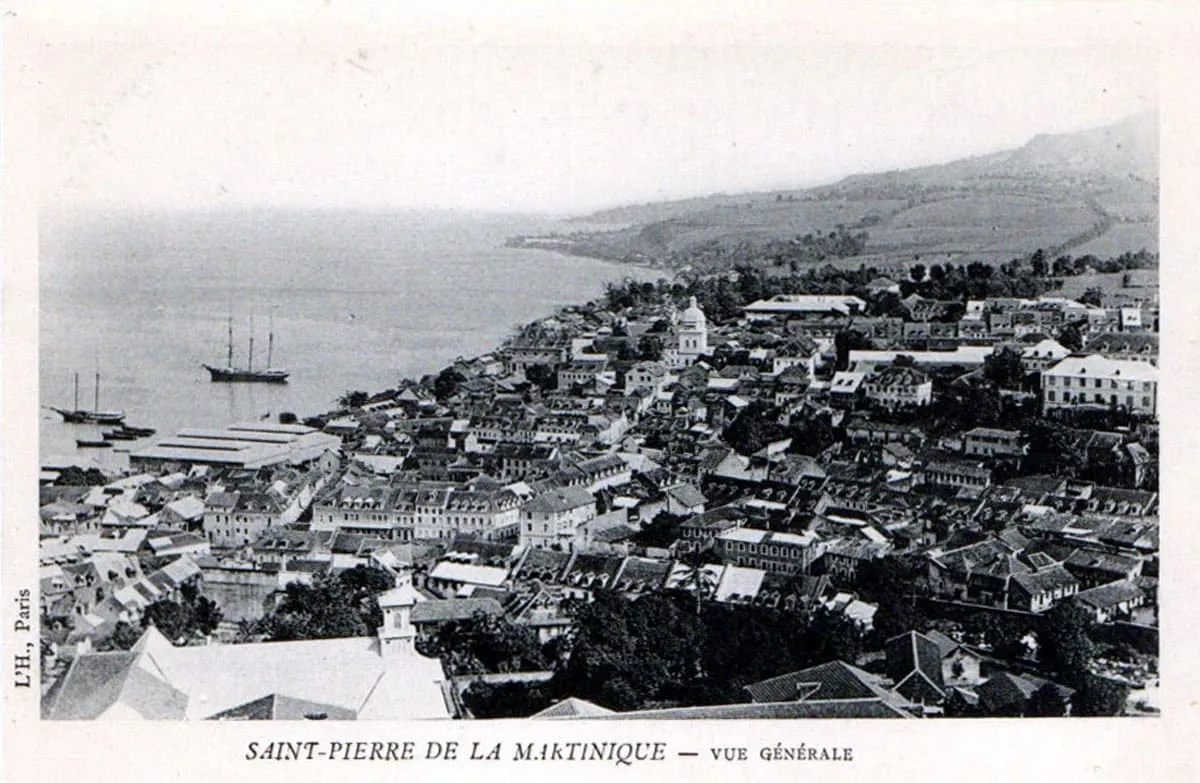
The changes in Mount Pelée took a long time to take effect. They occurred at a gradual pace. In December 1901, there had been three or four strange and inexplicable fluctuations in the sea level at Saint-Pierre, but no one had paid any attention to them. These slight tremors were probably caused by molten magma moving through the lower layers of rock.
During the first months of 1902, the fumes were abundant enough to reach the western shores of the mountain.
Duni-Emile Josse, a security guard at a store in Le Prêcheur (8 km north of Saint-Pierre), told the newspaper Les Colonies that the foul-smelling fumes had been causing concern in the village since the beginning of the year. Several other people testified to the discomfort and even illness caused by the volcano's heavy fumes in February 1902.
Later that month, people living on the coast began to smell the same thick fumes, which smelled of rotten eggs and hydrogen sulfide, and had been blown westward by the trade winds. At the time, only Gaston Landes was closely observing the volcano, alert to its dangerousness.
Otherwise, Mount Pelée did not cause any particular concern among volcanologists at the time. Eruptions occur at varying intervals, sometimes decades, centuries, or even millennia apart.
Few volcanoes erupt continuously, and most eruptions last for short periods separated by very long intervals when the volcano is dormant and the vent is blocked with the products of previous eruptions. For a long time, researchers couldn't determine whether a volcano was dormant or extinct, which is why the uncertainties in 1902 about the exact status of the volcano were legitimate.
Today, the two terms are differentiated only by the number of years without volcanic activity (10,000 for dormant status and several tens of thousands of years for extinct status). A volcano erupts when magma rises, creates an opening, and bursts onto the Earth's surface.
Magma is composed of solids, liquids, and gases that are under high pressure and at temperatures that can exceed 700°C. The movement to the crater causes earthquakes that are localized on and around the volcano, which are less intense, less widespread, and less deadly than their tectonic counterparts caused by the movements of the plates that make up the Earth's crust.
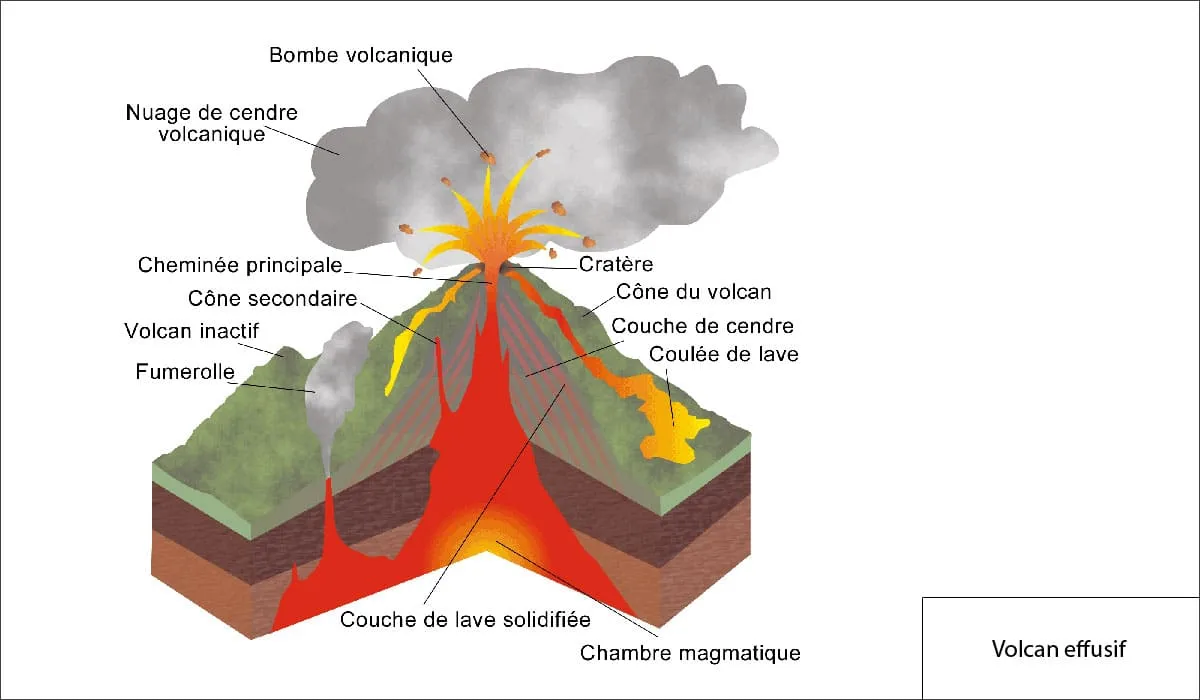
There are two main types of volcanoes: effusive volcanoes, where lava flows slowly out of the crater when an eruption occurs, and explosive volcanoes, which produce rock projections, thick ash clouds called pyroclastic flows, and blocks of magma that fall back to the ground.
The latter is much more dangerous because the area posing a threat to human safety is much larger, and eruptions occur much more rapidly, making evacuation less predictable.
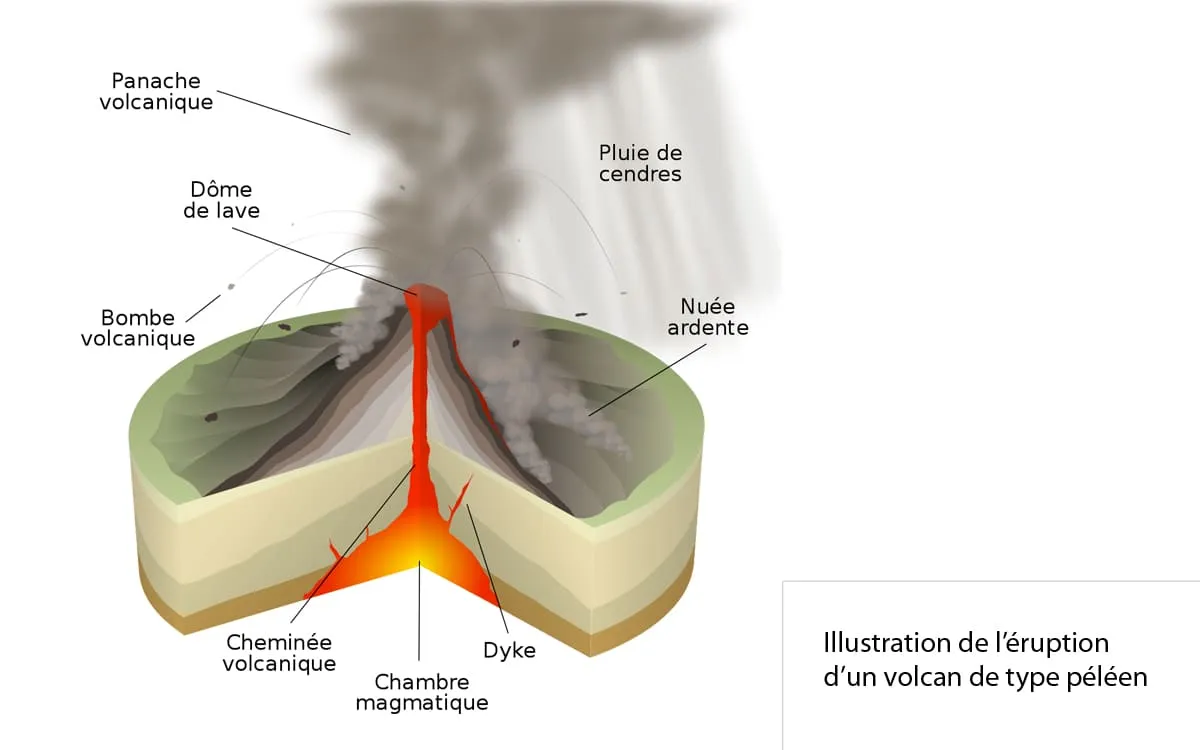
As for Mount Pelée, the volcano is explosive. This type of volcanic eruption has no “clock” and does not follow exactly the same pattern. Sometimes the preliminary signs do not necessarily lead to an eruption, but they do alert us that activity is occurring in the bowels of the volcano.