

Daily life of Saint-Pierre residents
The Pierrotins (Saint-Pierre residents) enjoyed a quality of life similar to that of large European cities. They lived in a town equipped with electricity, a local telephone service, access to telegraphs that they sent to Europe, offices, and press offices, including the daily newspaper Les Colonies. They lived in houses built of very solid masonry, some with superb facades of cut stone.
While the exterior of the houses may have appeared simple, the interior rivaled them in beauty, comfort, and even luxury. Among other things, Saint-Pierre had a bus service with female drivers. Numerous boats of different sizes bobbed in its bay.
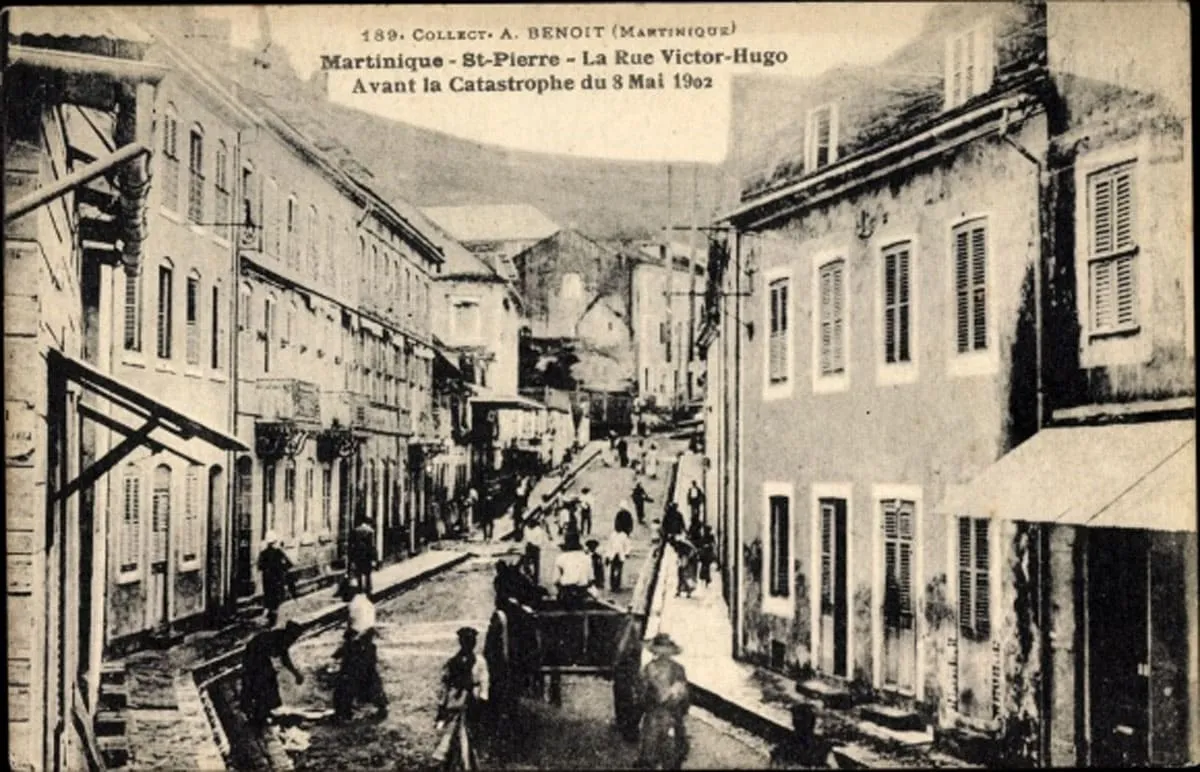
Victor Hugo Street was lined with flashy stores selling items imported directly from Paris. Women from wealthy Pierrotine bourgeois families went there to buy clothes worthy of Parisian fashion. Americans also had financial interests in Saint-Pierre, accounting for nearly half of all commercial transactions in the city.
The men seen in the city were carefully "dressed in white canvas pants and huge bamboo grass hats. Some were black, others had strange and beautiful colors: there are golden, bronze brown, or bronze red skins. The women wore brightly colored dresses, women the color of fruit, orange or banana, the women wore turbans as yellow as the stripes on a wasp's belly," wrote Lafacadio Hearn, a Japanese writer who lived in Martinique for two years.
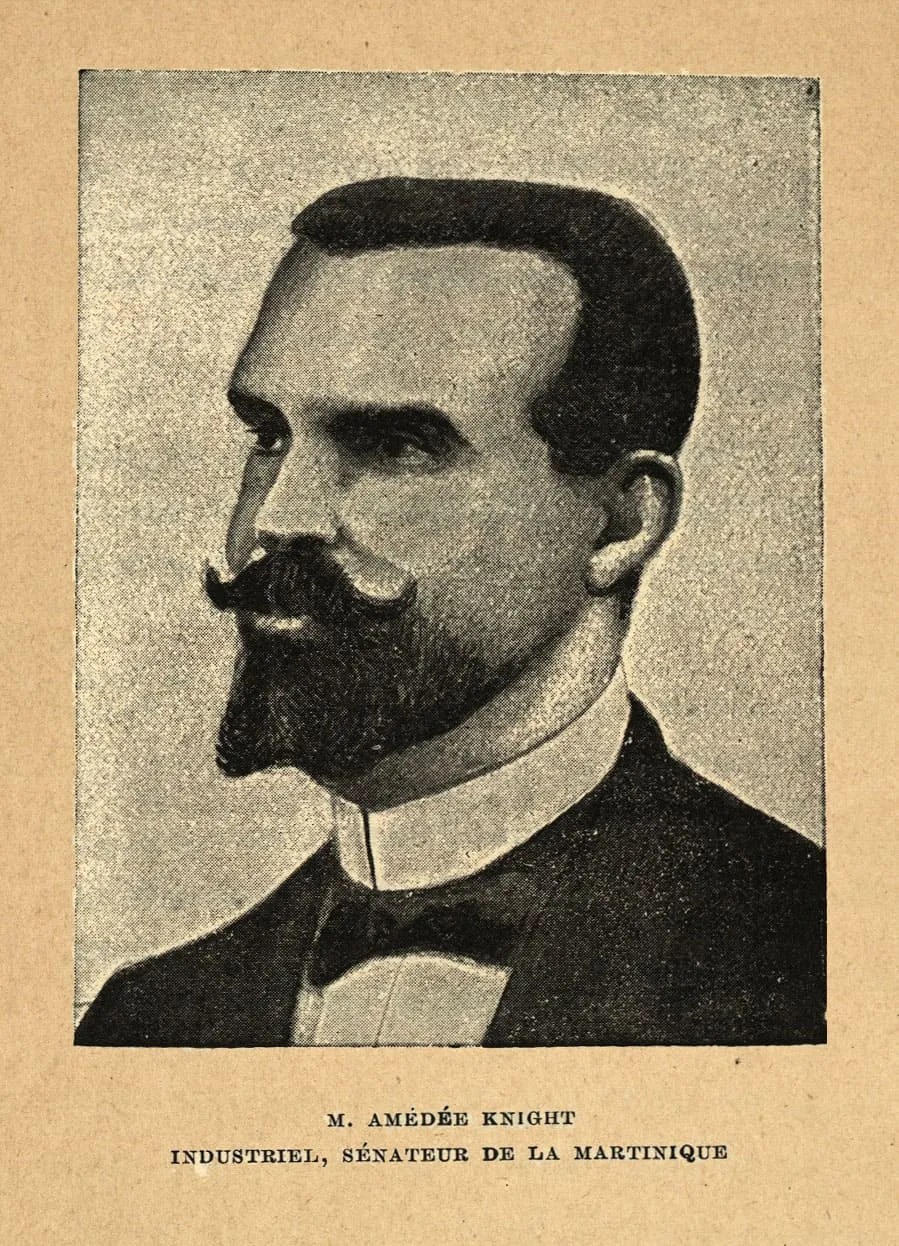
Among the prominent men living in the town of Saint-Pierre were Amédée Knight (pictured), senator in the French Parliament, Fernand Clerc, a powerful plantation owner, mayor of Trinité and later deputy and senator for Martinique, and Andréus Hurard, editor-in-chief of the daily newspaper Les Colonies. Another significant presence in the city was the American consul Thomas Prentiss and his wife, who lived in the capital of Martinique. As for Mount Pelée, the inhabitants of Saint-Pierre had fully embraced it.
The volcano for the city's inhabitants
The volcano had been dormant for two generations. Families picnicked on its slopes, children played there, and it was even a refuge during powerful hurricanes. The first settlers called it “Bald Mountain” because its summit was surrounded by a band of barren rock. Shortly afterwards, it became Pelé before a cartographer added a new “e” in the 17th century and it became Montagne Pelée.
At an altitude of nearly 450 meters above sea level, merchants from Saint-Pierre had built “summer villas” and “retreats,” places where they would retreat with their families to escape the summer heat. Below an altitude of 750 m, the slopes of Pelée were a picturesque scene of forests, cane and banana fields, and a cluster of brightly painted houses.
Higher up, in colder temperatures, there was abundant vegetation, which prevented any exploitation. The numerous ravines were a source of fresh water for the inhabitants of the town of Saint-Pierre and the surrounding communities. The water that flowed from them was used to clean the town's streets, which were exceptionally clean, as well as for the sugar and rum industries and to supply boats in transit at the port of Saint-Pierre.
Mount Pelée was a symbol of joy and pleasure. Groups of locals had their habits there and organized hikes through the extravagant floral display of begonias and balisiers. Local companies offered excursions to the mountain, most often to celebrate Whit Monday. This was how the people of Saint-Pierre lived on the eve of the 20th century, and in May 1902, the month of the eruption of Mount Pelée.