Village d'Antan

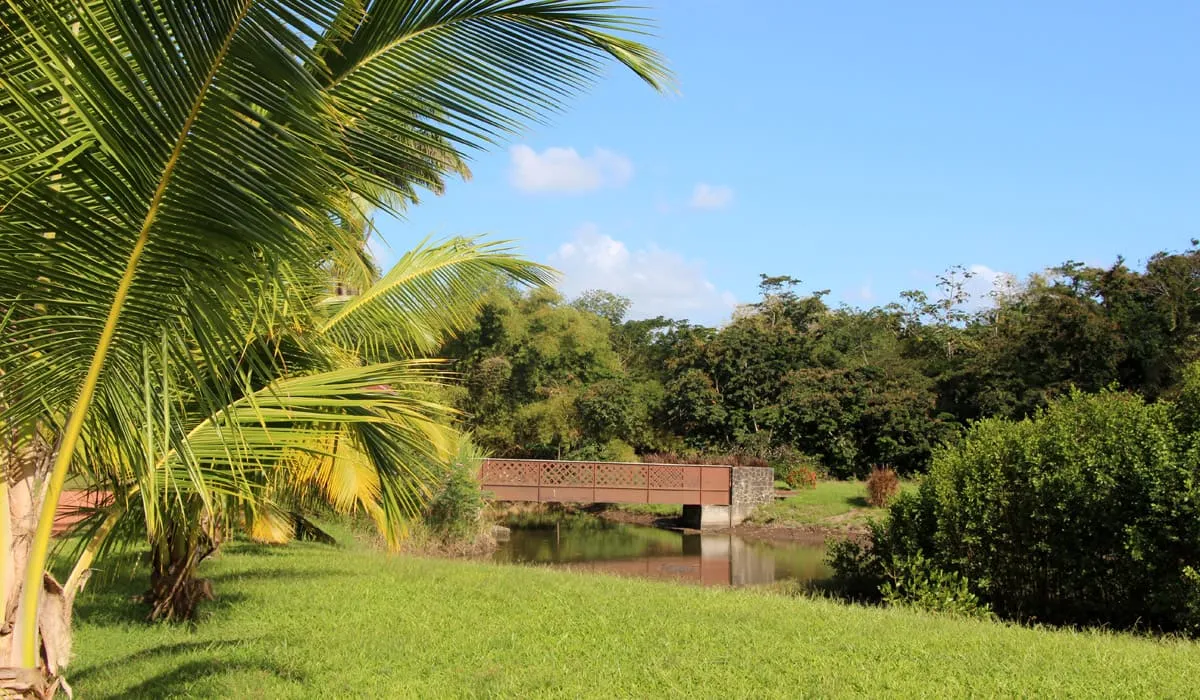
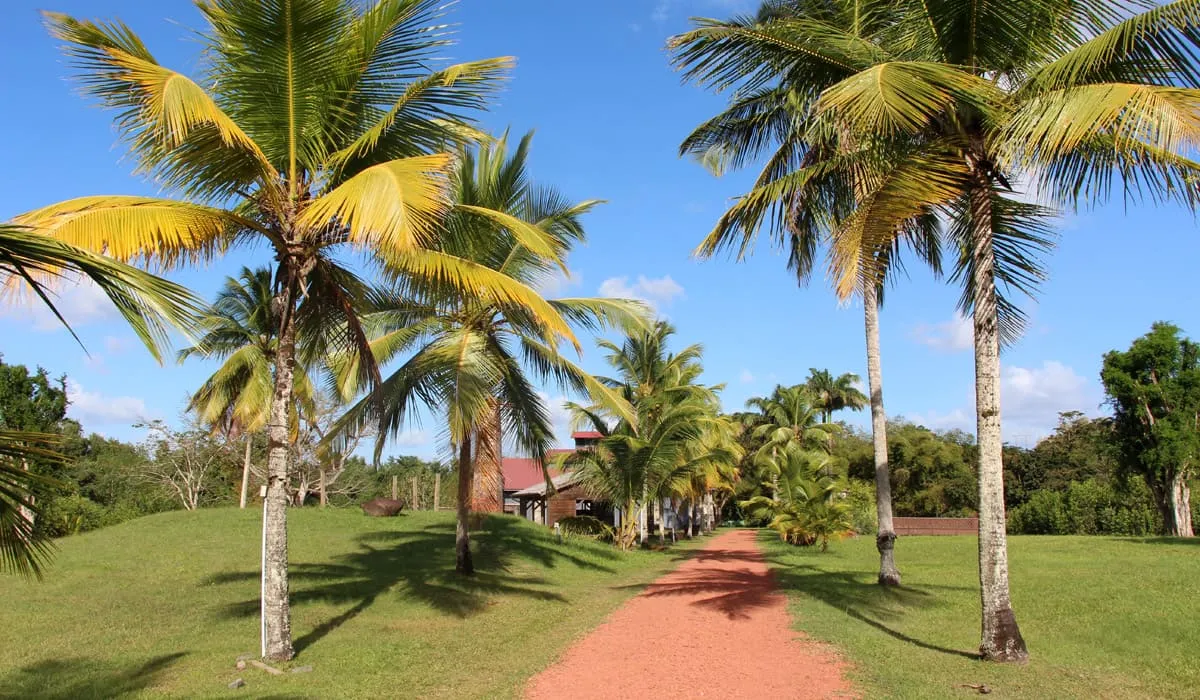
The Village d’Antan is a garden located between Le Vauclin and Le François, where you can experience life in a natural environment up close. The project is led by Suzelle Montjoly, a passionate Martiniquan who maintains this arboretum of tropical plants.

Since 1991, she has been planting, cultivating, and shaping more than one hectare of land that was originally dry and not very fertile. Her commitment to preserving Martinique’s plant heritage has allowed a true ecosystem to flourish.

The site also features traditional wooden houses. During the guided tour, you’ll discover part of Martinique’s flora, lovingly maintained by a family of enthusiasts.

It is possible to eat on-site and enjoy a tasting session, provided it is booked before the visit.

A parking area is available further down.

Photo gallery
Carbet in front of the entrance to the Village d'Antan
Village d'Antan
Village d'Antan
Village d'Antan
Village d'Antan

Habitation Chalvet

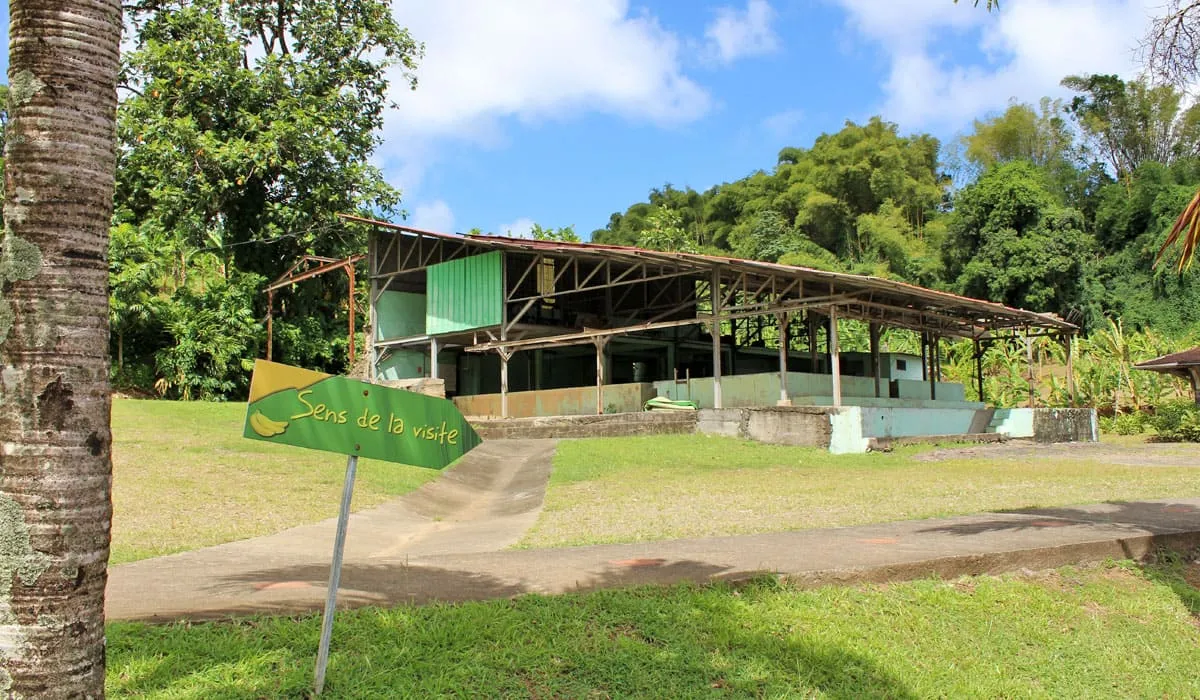
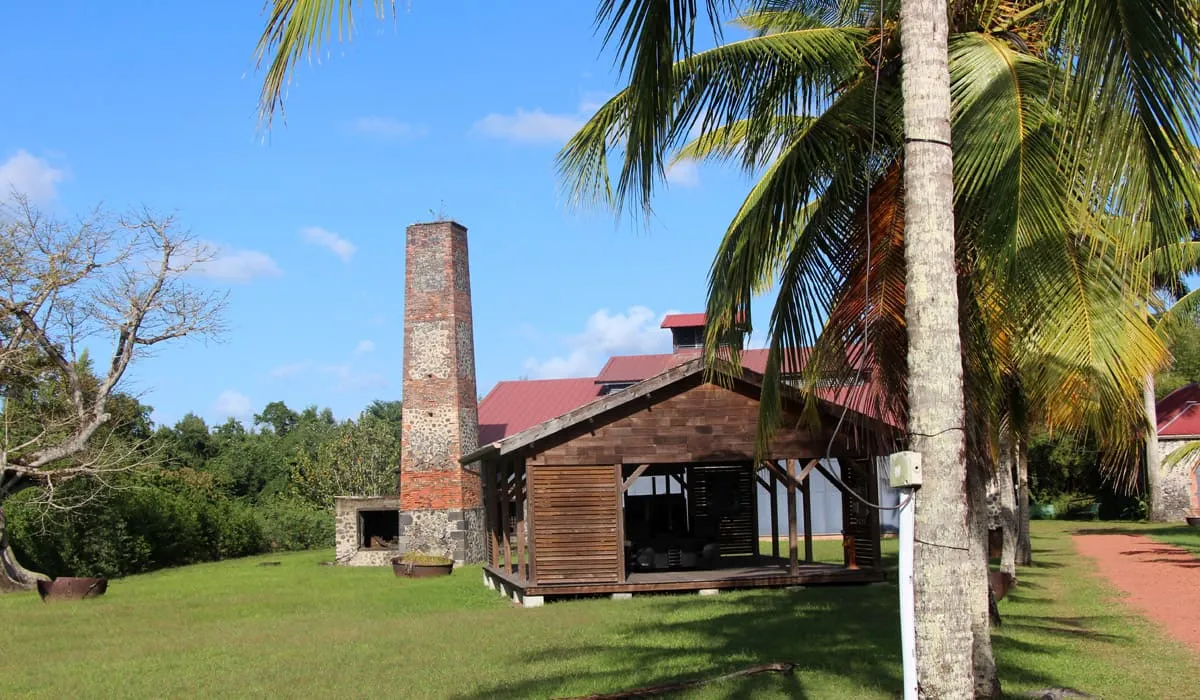
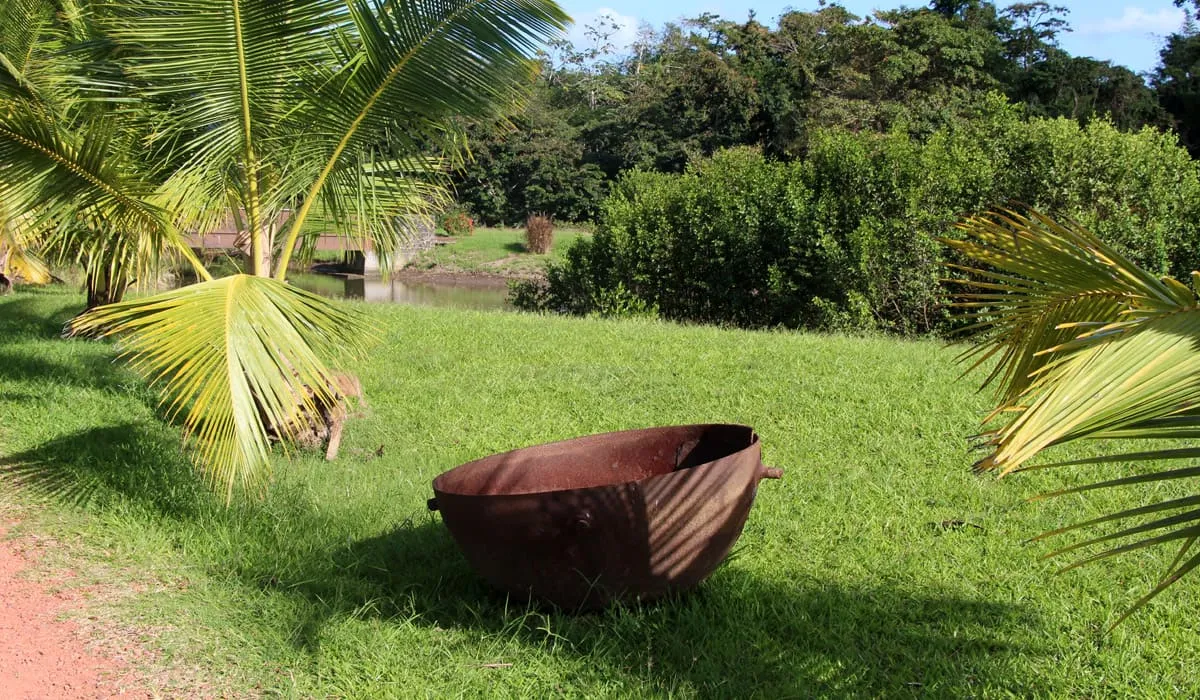
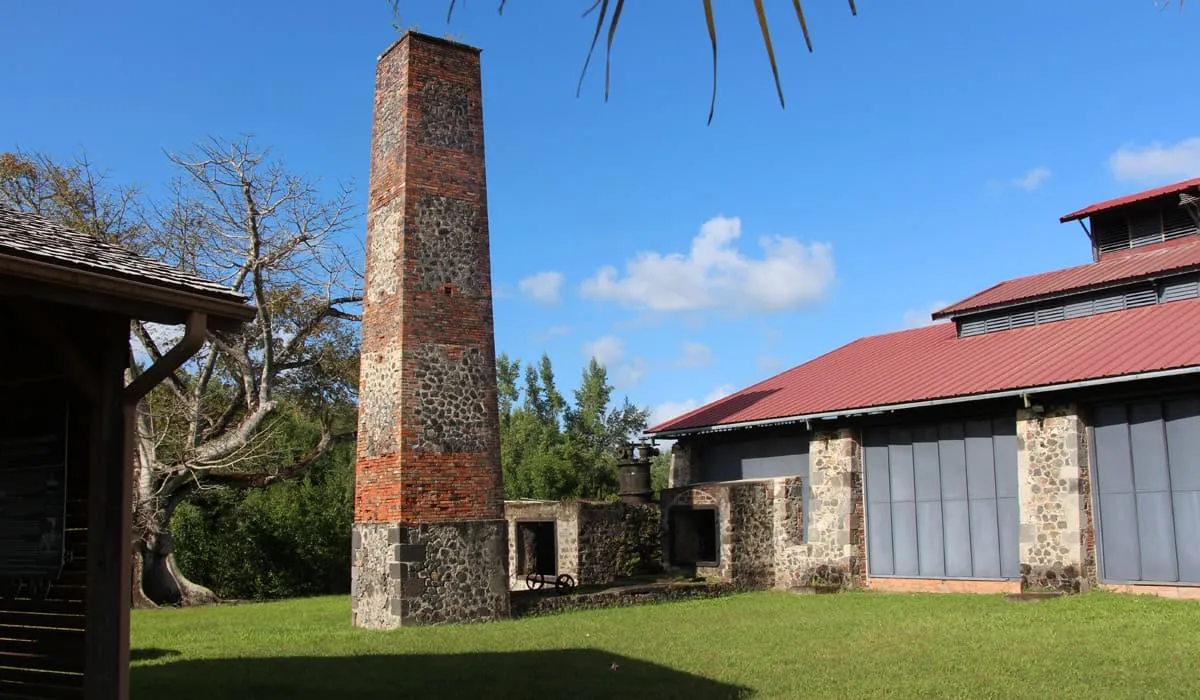
Habitation Chalvet, also known as Habitation La Capot, was a sugar estate in the 18th century that had to reinvent itself following the sugar crisis. Before that, it was a plantation where cacao was cultivated. The remains of several buildings—such as a chimney, sugar mill, and purging house—attest to the site's once-thriving industrial activity.

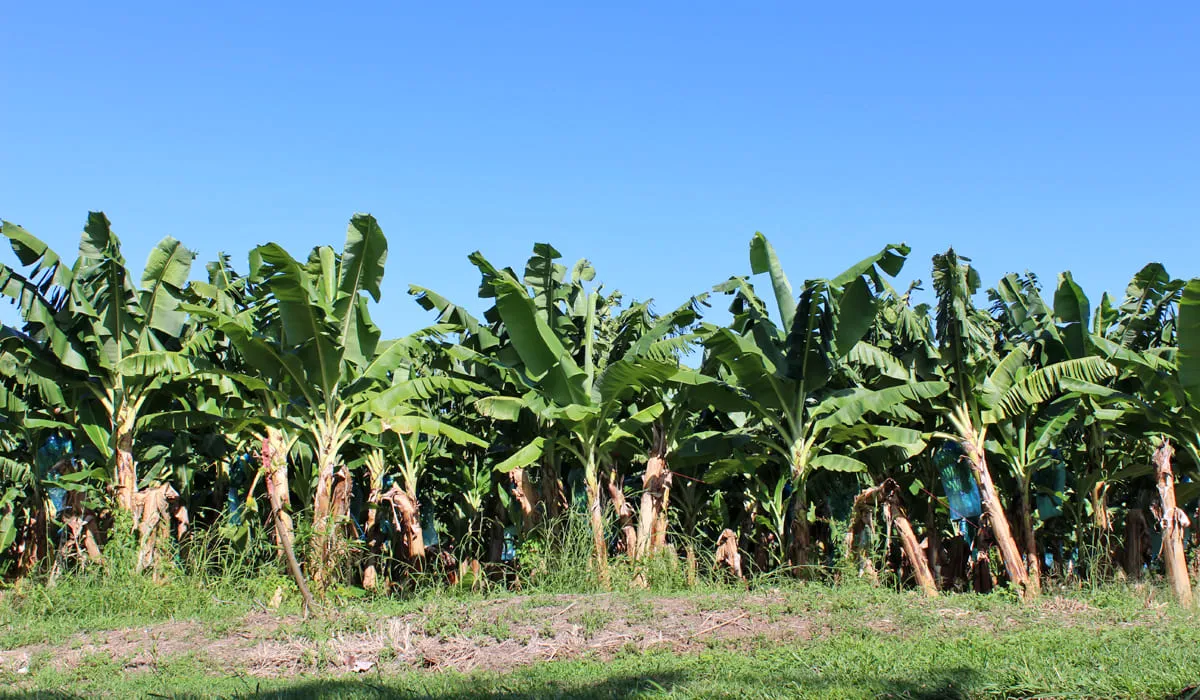
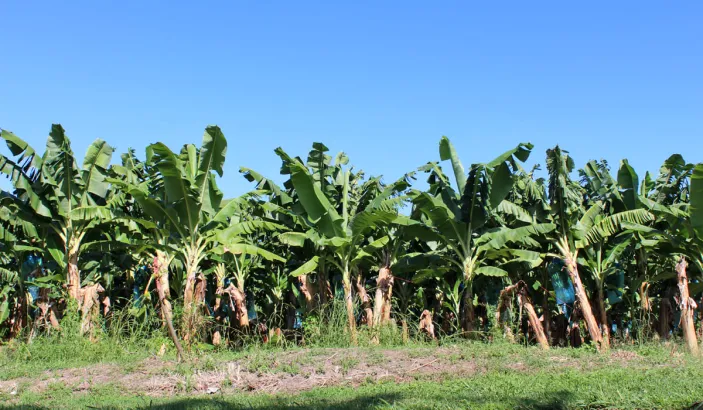
On this authentic site, now repurposed as a place of leisure, a “Barbette battery” was installed around 1711 to protect the dock and storage facilities. After periods of yam cultivation and greenhouse horticulture, the agricultural activity now focuses mainly on bananas, along with pineapples and sugarcane. In addition to banana production, the estate also features a Creole garden.

Visitors can also explore medicinal plant gardens. Above all, Habitation Chalvet is remembered by locals as the scene of the tragic events of February 1974.

In February 1974, field workers went on strike to demand a five-franc increase in their daily wage from the landowners—known as “Békés,” wealthy descendants of former colonists who have long held agricultural lands in Martinique and still own many of the island’s businesses.

The landowners refused. As days passed, tensions escalated due to the lack of negotiations. The Békés called in the police, followed by armed forces. The latter opened fire on the strikers, killing two agricultural workers: Rénor Ilmany (55 years old) and Georges Marie-Louise (19 years old). Many others were injured.

This event remains deeply rooted in Martinique’s collective memory. It inspired a song by artist Kolo Barst titled Févriyé 74. Each year, the local tourism office organizes a commemoration at the site.
 

Photo gallery
Banana trees at Habitation Chalvet

Banana Museum

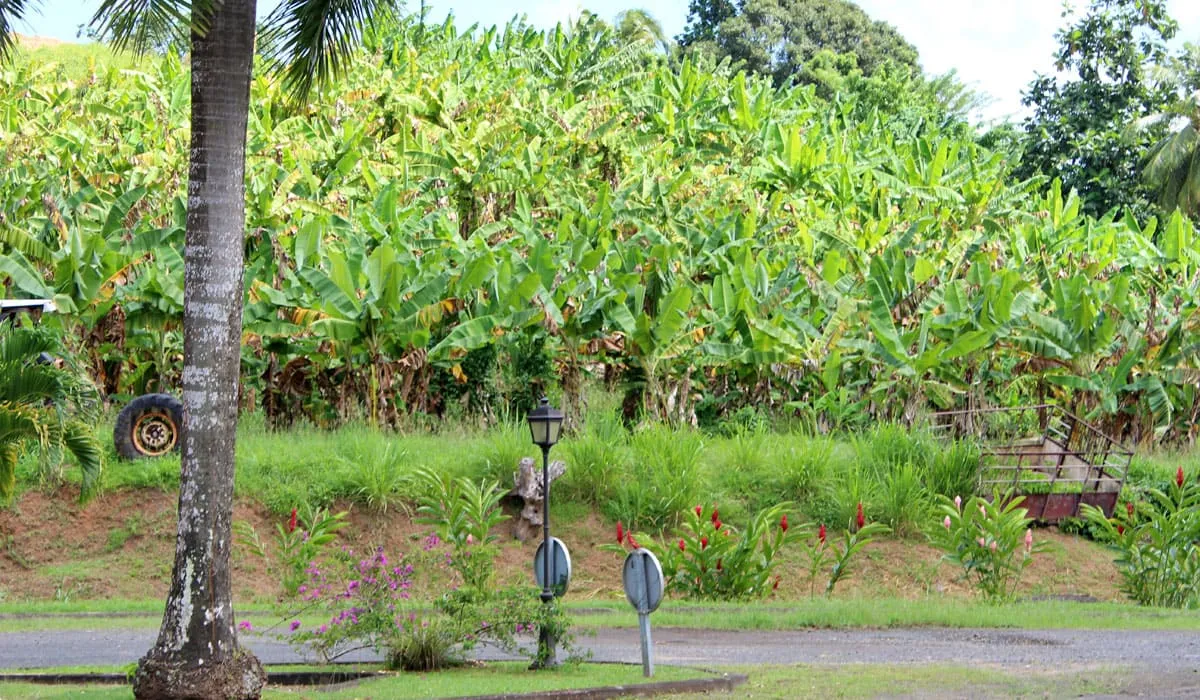
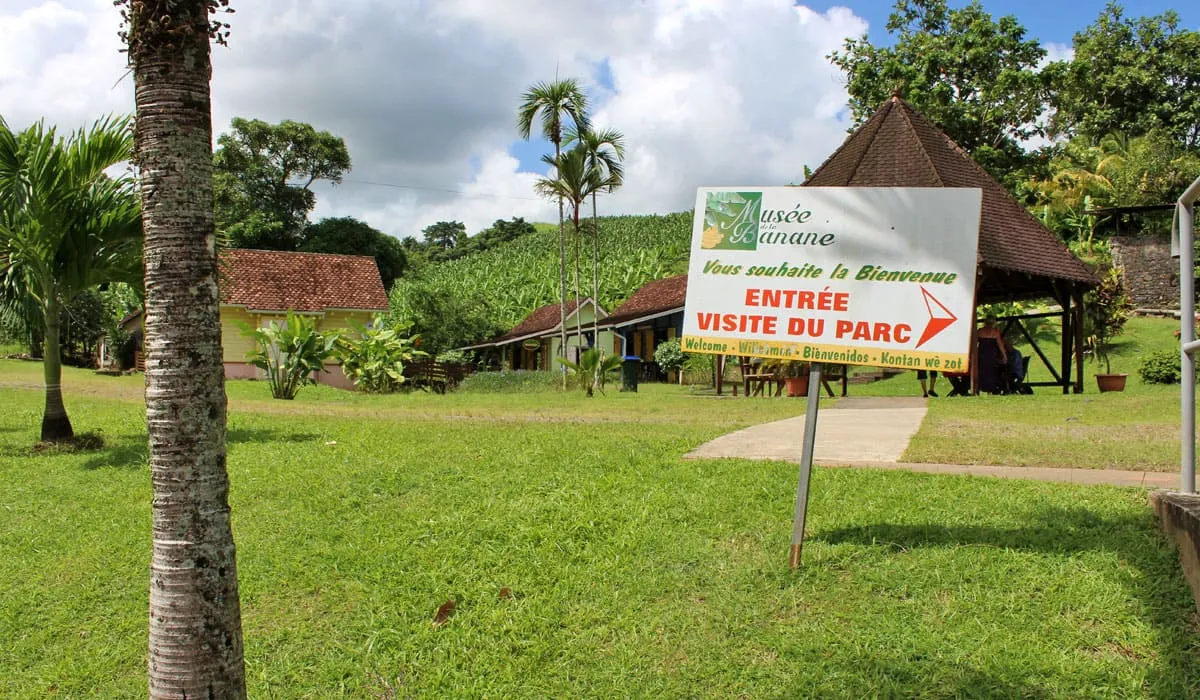
Located in a lush green setting, the Banana Museum sits within the “Limbe” plantation, a banana estate in the town of Sainte-Marie. During your visit, you'll explore the history of the banana—from its introduction to the Caribbean during 16th-century colonization to its role today.

The museum showcases over 65 banana species out of the 300 recorded worldwide, spread across a scenic 4-hectare trail.

You’ll also discover fascinating insights into the world’s favorite fruit: its origins, cultivation techniques, culinary uses, and more.

On-site, the restaurant “La Bananeraie” invites you to enjoy inventive dishes where bananas take center stage.

Occasional exhibitions are also held, celebrating the banana in all its cultural and botanical richness.

Photo gallery
Banana plantation at the Banana Museum
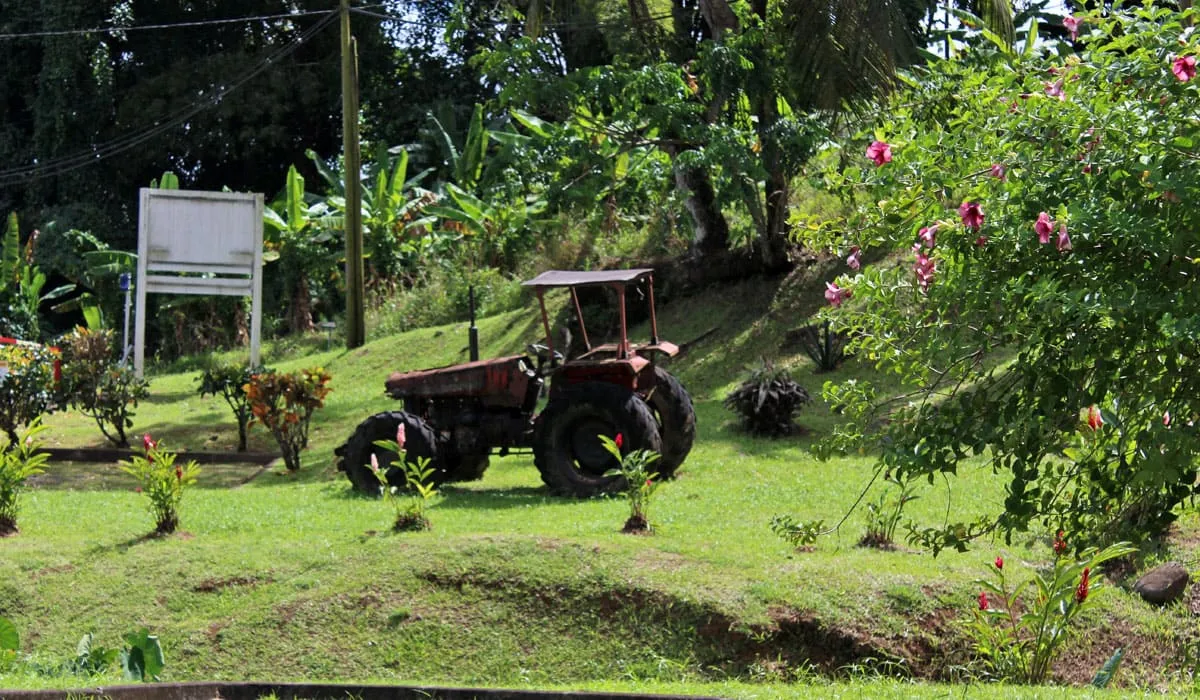
Banana Museum
Banana Museum
Banana Museum
Banana Museum
Banana Museum
Banana Museum
Banana Museum
Banana Museum

Maison de la Canne

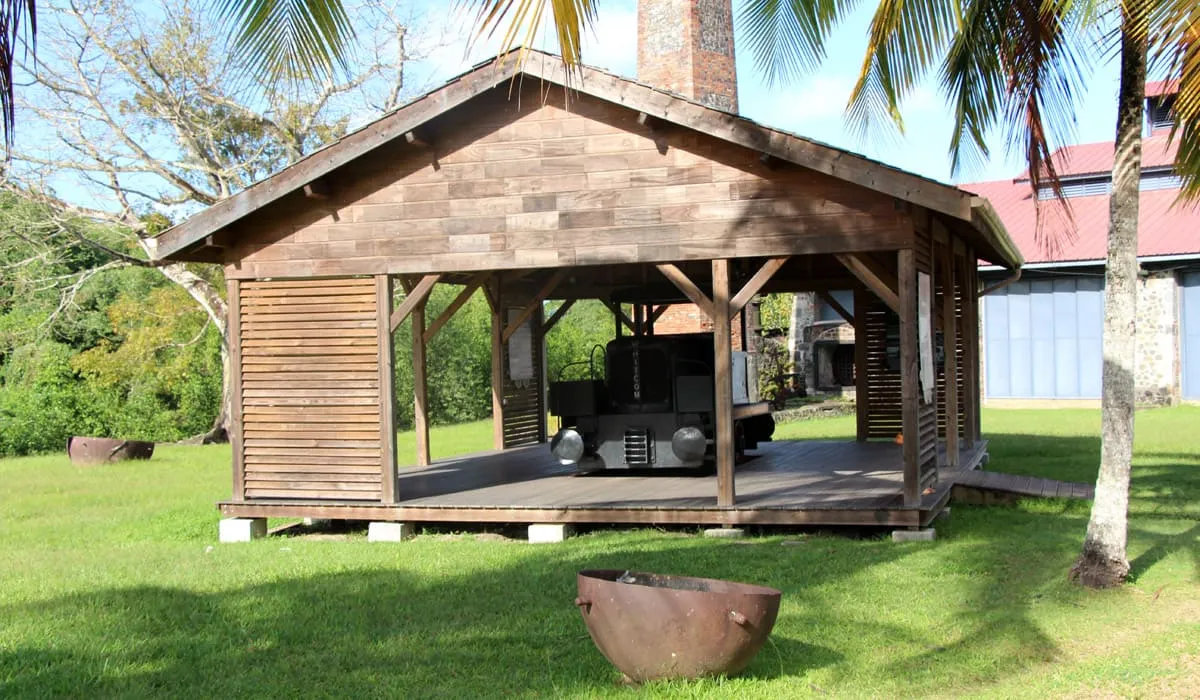
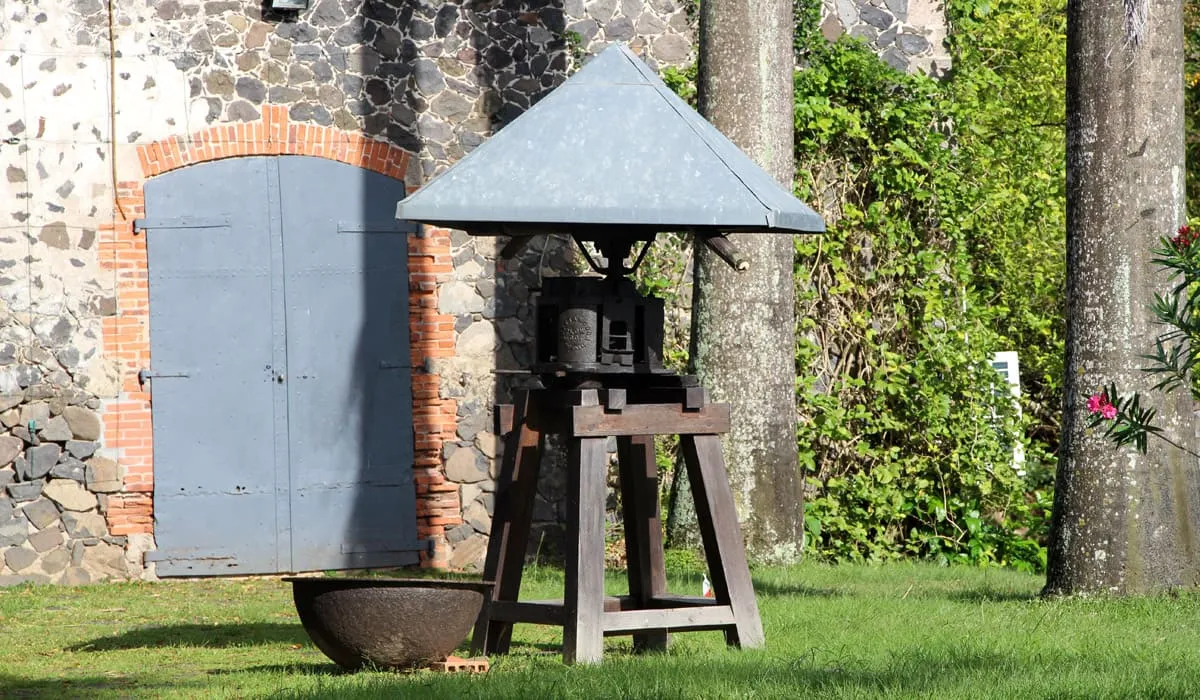
The Maison de la Canne (House of Sugarcane), formerly known as the Sugarcane Museum, is housed in a former distillery. It traces the evolution of sugarcane over the past three centuries. Located in the Vatable district of Trois-Îlets, the museum spans more than two hectares.

The Maison de la Canne is the result of a research and archival project on Martinique’s sugar industry heritage, led by the Association Martiniquaise de la Maison de la Canne (AMMCA), with major contributions from teachers at Lycée Schoelcher.

The association aimed to preserve traces of Martinique’s sugar-producing past, which had suffered significant degradation of its plantation estates and the disappearance of central factories.

During your visit, you’ll learn more about the arrival of sugarcane in Martinique and its development through to its modern-day uses. When sugarcane was introduced to the French colonies, the entire economic and agricultural life revolved around this plant, which produced the sugar so prized on the tables of European nobility. Today, it remains a key crop, especially for the production of world-renowned rums.

Since 1991, the Regional Council—which supported the project—has been responsible for managing the museum, which has since attracted a large number of visitors.

Photo gallery
Maison de la Canne
Maison de la Canne
Maison de la Canne
Maison de la Canne
Maison de la Canne
Maison de la Canne
Maison de la Canne
Maison de la Canne
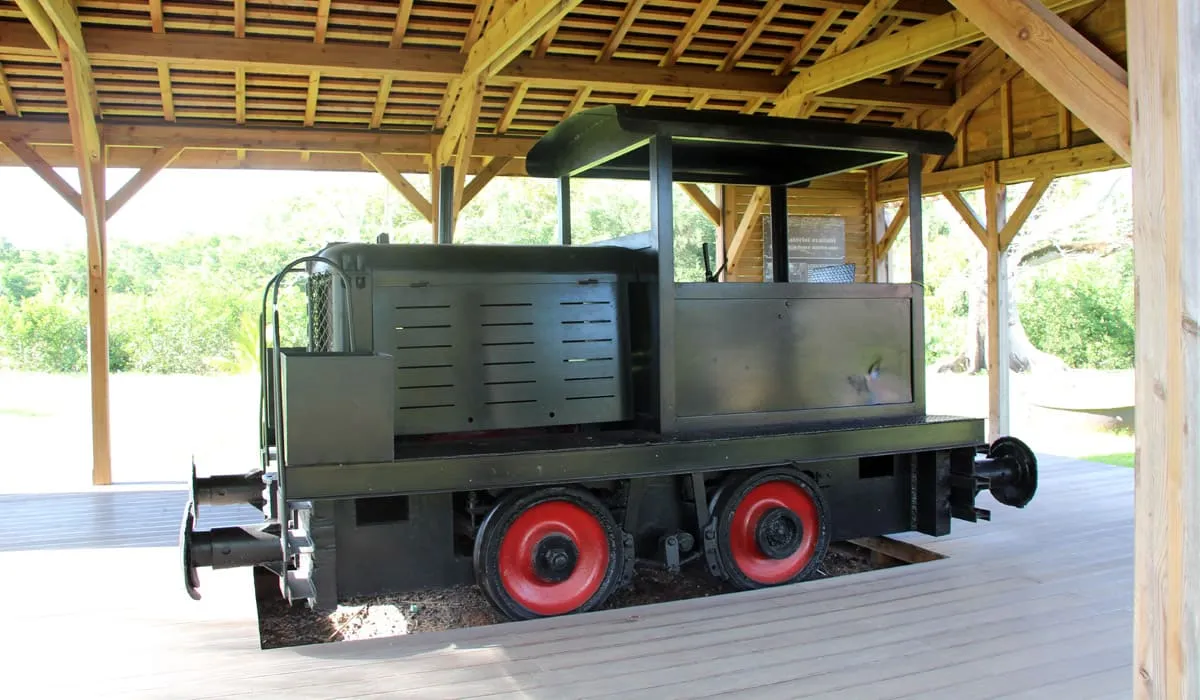
Little train at the Maison de la Canne
Maison de la Canne
Maison de la Canne
Maison de la Canne
Maison de la Canne
Maison de la Canne
Maison de la Canne
Maison de la Canne
Maison de la Canne