
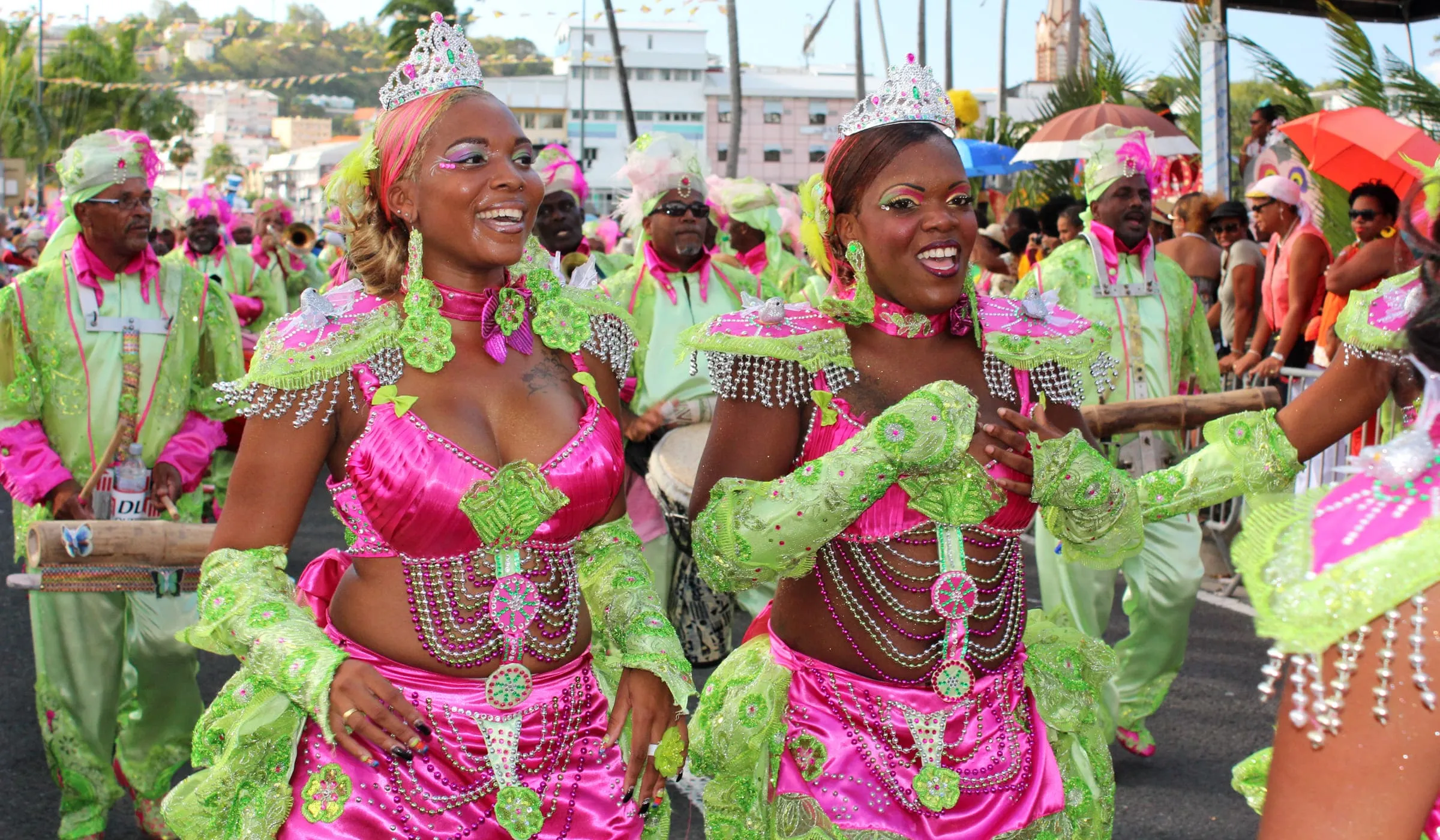
Carnival in Martinique was born during the colonization of Saint-Pierre, the island's largest city. It was a blend of African and European cultures.
Originally, the Carnival dates back to the Middle Ages. To suppress pagan ideas and traditions, the Catholic Church, under duress and fearful of the creation of a new, less restrictive religion, created Mardi Gras, the rite of celebration of spring.
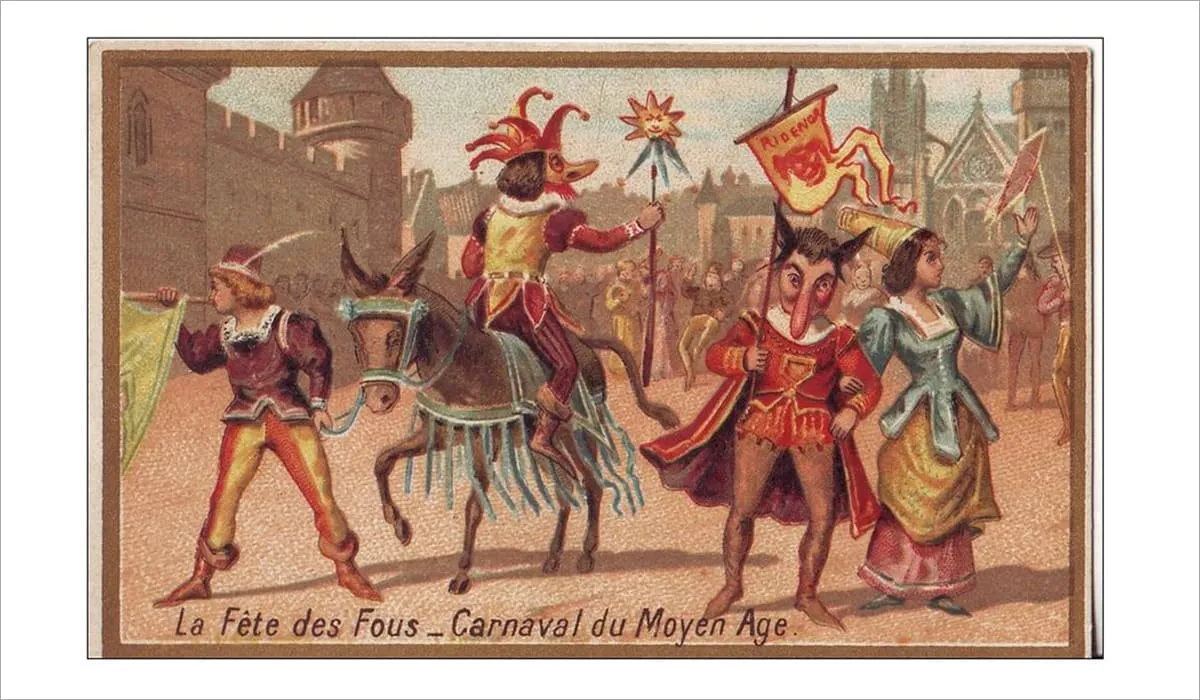
Mardi Gras was therefore the day of celebrations, public dances, costumes, and other festivities that fully celebrated European Christians. In addition, all kinds of meat menus were consumed without moderation.
Its position in the calendar, the day before Ash Wednesday, marks the beginning of Lent, the period of fasting and prayers, which was the last day you could eat fat until Easter. This day will become the Carnival from the Latin carnelevarium, which means removal of meat.