Habitation Fond Rousseau

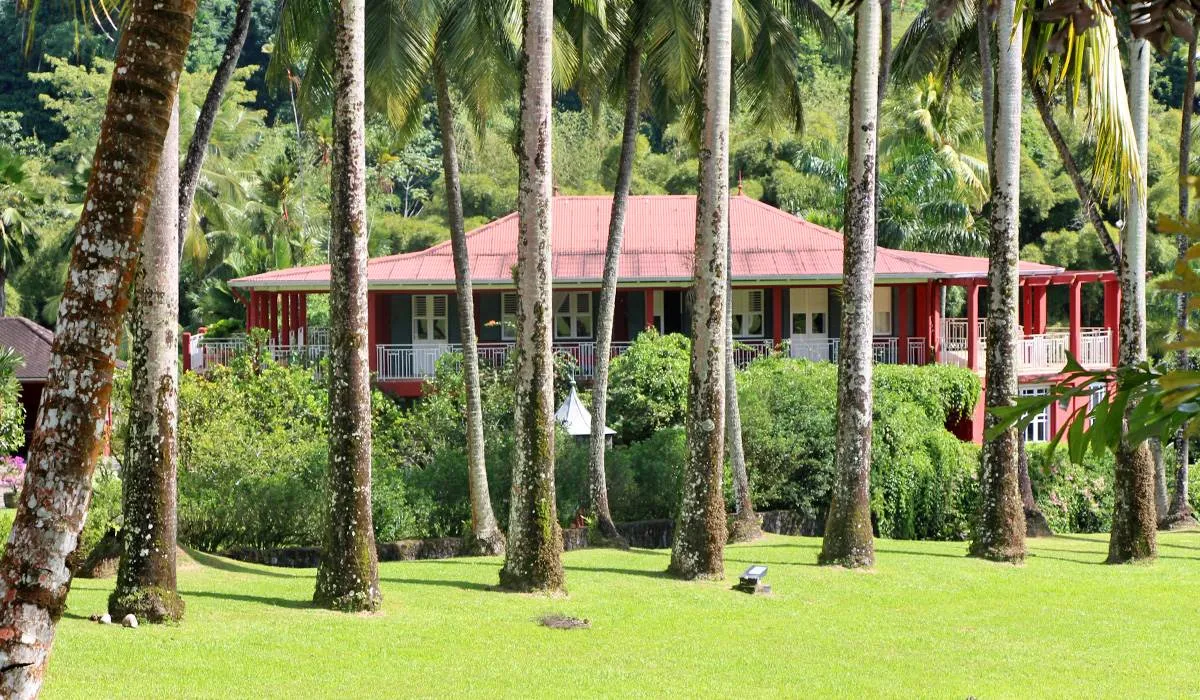
Habitation Fond Rousseau is a little-known historical site in the commune of Schœlcher. Formerly known as Fond Plumet, it owes its name to Charles Rousseau, one of whose distillation column was brought to the Habitation after the eruption of Montagne Pelée in 1902. The Habitation was built in the 17th century to produce sugar, indigo, coffee, cocoa, petun and later rum. First owned by Judge Gabriel Turpin and his sister Marie in 1671, it was bought by the Hurault de Manoncourt family more than 10 years later, who devoted themselves to growing mulberry trees for silkworm breeding.

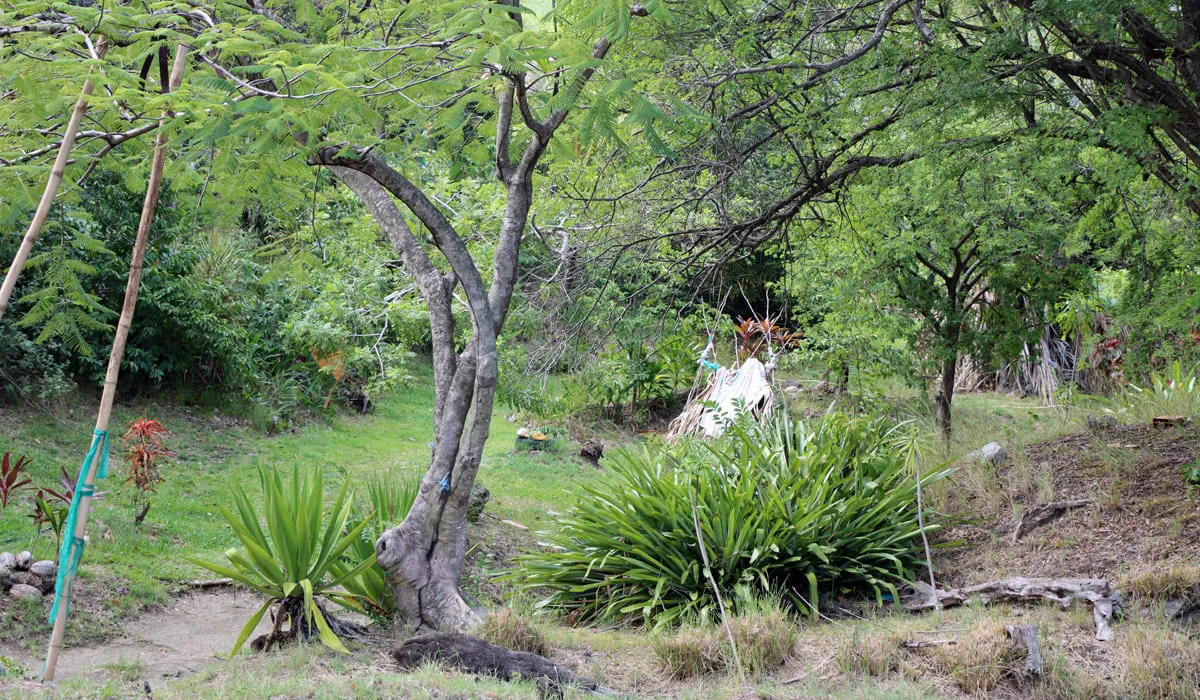
Habitation Fond Rousseau comprises a 176 m² main house, a kitchen and a 42 m² outbuilding, a pavilion, a former rum-making factory, a garage, two large carbets, a tropical garden, a coconut grove, a former sheepfold and several parking spaces.

It has private access to the Case Navire river.

Amerindian remains have been found here.

Today, Habitation Fond Rousseau is privately owned. There is a partnership with the town of Schœlcher to organize tourist visits.

Moulin de Val d'Or

The Moulin du Val d'Or (Val d'Or mill) is one of the many witnesses to Martinique's slave-owning past. It was erected in the 18th century on the Habitation du Val d'Or to facilitate the crushing of sugar cane. With a height of 18 meters, it was the central element of the old plantation and the point of connection between the plantation, i.e. the place of the sugar production, and the pier of the seaside from where the goods were transported.

Concerning its operation, the mill was operated by mules and was a symbol of the mechanical technology of the time to produce sugar cane. Later, it was completely restored in order to repair the walls, the roof and the carousel mechanism. It continued to be used even after the installation of the steam engine in 1882. The construction of the Marin factory will cause its usage to decrease until it is no longer used.

The Val d'Or mill is to this day, the only animal mill still in use in the Caribbean. It is one of the sites of the Parc Naturel Régional de la Martinique (Regional Natural Park of Martinique). It is classified today as a Historical Monument.

During the guided tours, you will be able to discover the remains of the sugar factory nearby and attend an animation where donkey-makers and guides will make you discover the techniques of the time of crushing of the cane.

Manman Dlo and Yemaya

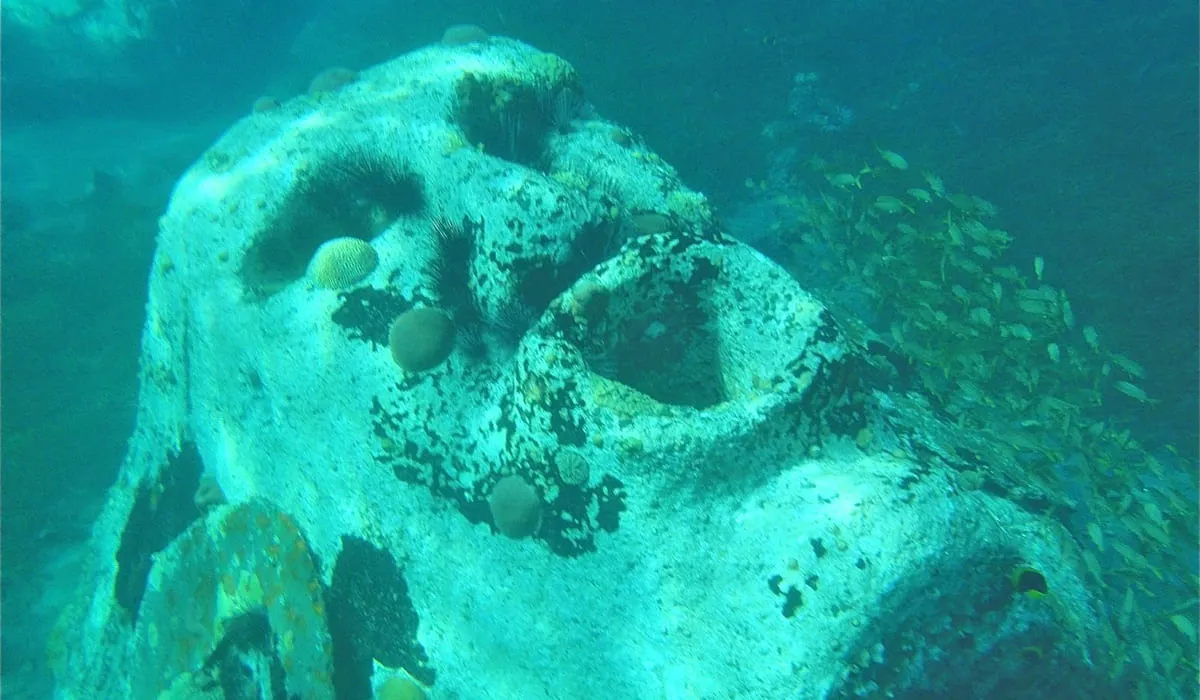
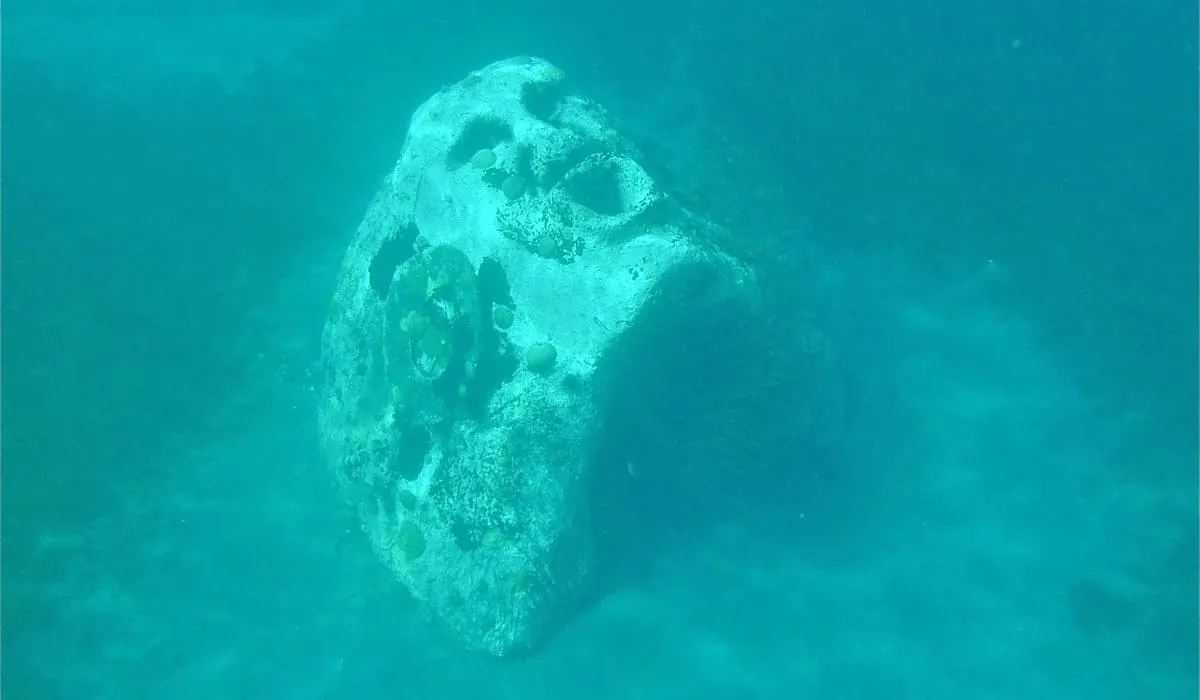
Manman Dlo is an underwater sculpture present in the city of Saint-Pierre. Manman Dlo means "mermaid of the Martinican seas" in Creole. It is inspired by tales, tradition, and the sacred. The artist Laurent Valère, who is also the author of the statuettes for the Cap 110 Memorial at Le Diamant, wanted to pay tribute to this local myth.

With its 20 tons, the sculpture took possession of the seabed of Saint Pierre since 2004. The face of the mermaid fixes the skies and challenges, the Mount Pelée "mass criminal" according to the artist, referring to the eruption which caused the disappearance of more than 32,000 Pierrotins (Saint-Pierre inhabitants). Set back, its tail is posed, suggesting that the rest of the sculpture is buried under the sand.

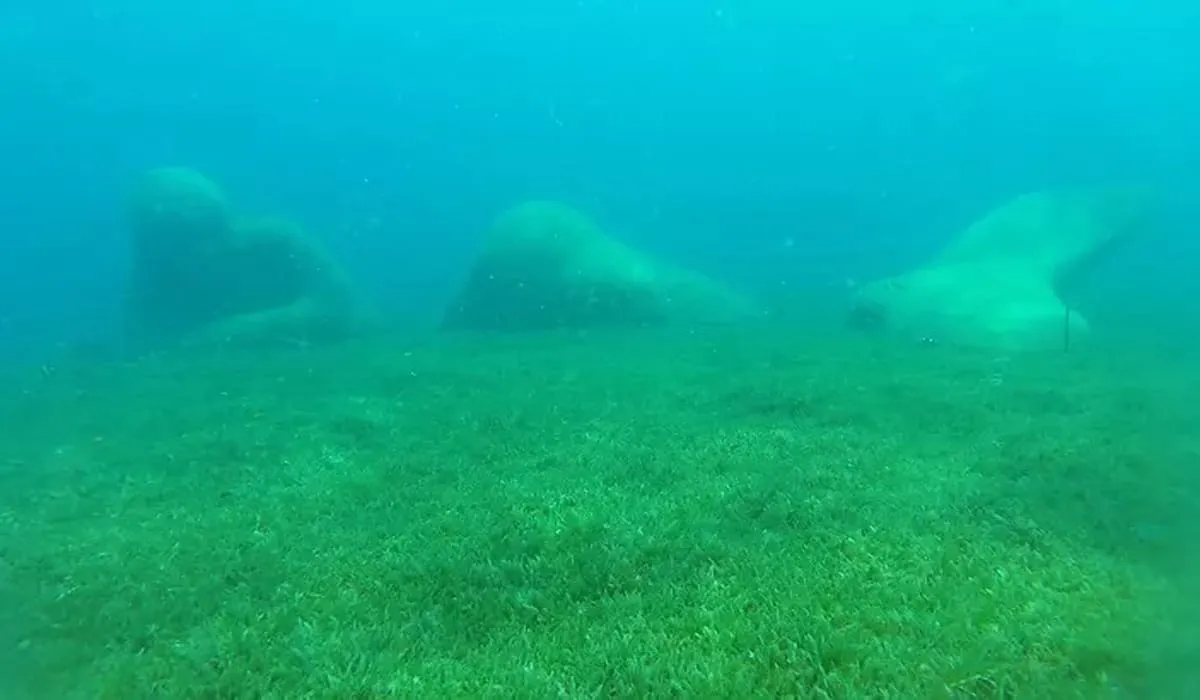
In 2015, she was joined by Yemaya, more massive (12 meters long) and very voluptuous. Her gironde silhouette is rather welcoming. Yémaya is three separate parts of a woman's body, placed 9 meters deep, suggesting that a part of the body is buried under the sand. Yemaya is lying with her back to the sun and seems to be searching the sand for answers.

Both are placed in a sanctuary of Martinican and even Caribbean underwater life. The site is renowned for its breathtaking and extraordinary seabed. The aquatic fauna is very important there. Also, fish of all species, sea urchins, starfish, sponges, corals and gorgonians now shelter and reproduce there. These sculptures attract life and offer a never-ending broom of teeming underwater life.

The diver will admire this artistic lair. Manman Dlo and Yemaya are still and luminous, shining thanks to the rays of the sun. According to the artist Laurent Valère, this is only the beginning. The ultimate goal was to create a vast underwater gallery dedicated to the sea and the preservation of the underwater complex. A harmonious way to make humans aware of the natural ecological processes that generate new lives...

To access it, you will have to put on fins or use a canoe-kayak to get to 50 meters from the shore. A buoy located just above the sculptures will show you their location.


Copyright of the photos: https://www.laurentvalereartstudio.com
Photo gallery
Manman Dlo
Manman Dlo
Manman Dlo
Manman Dlo
Yemaha
Yemaha

Habitation la Sucrerie

Habitation La Sucrerie des Anses-d’Arlet is a beautiful estate house dating back to the late 18th century, bearing witness to the industrial history of the Hayot family. Today, it belongs to the Hayot Group, along with Habitation Pécoul and Habitation Clément.

In 1788, Jean-François Hayot left his coffee plantation in Saint-Esprit and purchased La Sucrerie, which was then the most prominent estate in the Anses-d’Arlet area. By 1845, his heir Michel Hayot—mayor of the southern commune (Anses-d’Arlet, Le Diamant, Sainte-Luce)—turned toward sugarcane cultivation in the context of the Industrial Revolution.

The mid-19th-century acquisition of Habitation Poterie and neighboring properties in Trois-Îlets led to industrial diversification, including the production of terracotta building materials such as bricks and tiles. These estates also cultivated sugarcane, which was processed at the Pointe Simon factory (now the Fort-de-France taxi terminal).

A pivotal moment came in 1868 when Octave Hayot (1843–1892) was sent by his father, Louis Hayot, to the newly established Usine du François to work alongside Émile Bougenot, a French mechanical engineer who had come to Martinique to develop a new generation of factories. Under Bougenot’s guidance, Octave learned both the industrial techniques of sugar production and the workings of a modern, shareholder-based enterprise.

This fusion of technical innovation and local production capacity sparked a major industrial success. At the end of 1868, Octave Hayot gathered several planters from the Rivière-Salée region—starting with his family’s estates in Trois-Îlets—to found, with Bougenot’s help, the Central Factory of Petit-Bourg on Habitation Génipa.

In the following years, competition among factory owners led the Hayot family to take control of neighboring estates to secure the factory’s supply chain and long-term viability. Octave Hayot is credited with initiating the agricultural development of the Rivière-Salée plain, which had previously been considered unsuitable for farming due to its marshy terrain. He died prematurely in 1892, and his relatives took over the factory’s management during a pivotal period in Martinique’s history.

Later, the eruption of Mount Pelée caused the deaths of many merchants, positioning factory owners as key players in the island’s economy. Descendants such as Joseph, Simon, Saint-Michel, Léon, and Yves Hayot played a major role in the sugar industry, managing numerous factories in Le Robert, Le François, and Lareinty until the late 1960s, when the sugar crisis brought an end to cane sugar production.

The family then shifted its focus to consumer goods retail, founding the Hayot Group, which now owns several stores and businesses across the island.

To get there, take the D7 road to the entrance of the Anses-d’Arlet village. The estate is located at the intersection of the D7 and D37. You’ll need to park your vehicle at the village entrance.

Morne Gommier

For photography enthusiasts, this is one of the must‑see spots in Martinique. From the heights of Morne Gommier, you can enjoy a magnificent panorama with an unobstructed 360‑degree view.

You’ll be able to see the town of Le Marin and its marina, the Atlantic coast and its headlands, the Macabou breakers, Sainte‑Anne, Pointe des Salines, Saint Lucia, the Diamond Rock, and the famous “Sleeping Lady” of Morne Larcher, the Pitons du Carbet, Mount Pelee, Montagne du Vauclin, the outskirts of Saint‑Esprit, Morne Sulpice, as well as the Crève‑Cœur volcano.

To make the most of the view, telescopes are available to the public. You’ll also find a shop on site where you can buy souvenirs and sample local products.

You can choose between a free visit and a paid guided tour. The guided tour immerses you in the history of the southern peninsula.

Please note that the coordinates provided apply only to the paid visit; the free access area is open 24/7.

Photo gallery
Signpost for Morne Gommier
Panoramic view of the Marin marina
Panoramic view of the southern cliffs
Panoramic view of Montagne du Vauclin
Panoramic view of the southern mountain ranges
Panoramic view of the beaches of Le Marin and Sainte-Anne

Château Dubuc

Château Dubuc (Dubuc Castle) was once the possession of the Dubuc family, a wealthy lineage from Dieppe in Normandy who settled in the town of Trinité in the mid‑17th century.

In 1657, Pierre Dubuc, a Norman, arrived in Martinique. After leading several successful expeditions against the Carib Indians, he was granted by other settlers a concession in the area of Trinité and Tartane, where he settled in 1671 and built his power.

Balthazar, his younger brother, established himself at the Caravelle on the Spoutourne Plantation. His son, Louis Dubuc du Galion, later built a residence initially called Habitation Caravelle, which eventually became known as Château Dubuc.

The plantation was not only a site of sugar production but also a hub for smuggling and the trafficking of enslaved people. The presence of warehouses, safes, and wharves in this isolated location strongly suggests that illicit trade was carried out there.

By 1770, the Château Dubuc was gradually abandoned, following the devastating cyclone of 1766 and the mismanagement caused by the Dubuc family’s involvement in various battles against the English.

Today, the castle lies in ruins and forms part of the nature reserve managed by the Parc Naturel Régional de la Martinique. It is a secure site and has been listed as a historical monument since 1991. Château Dubuc ranks among the three most visited sites in Martinique. In addition to the ruins, a micro‑museum recounts the troubled history of this place.
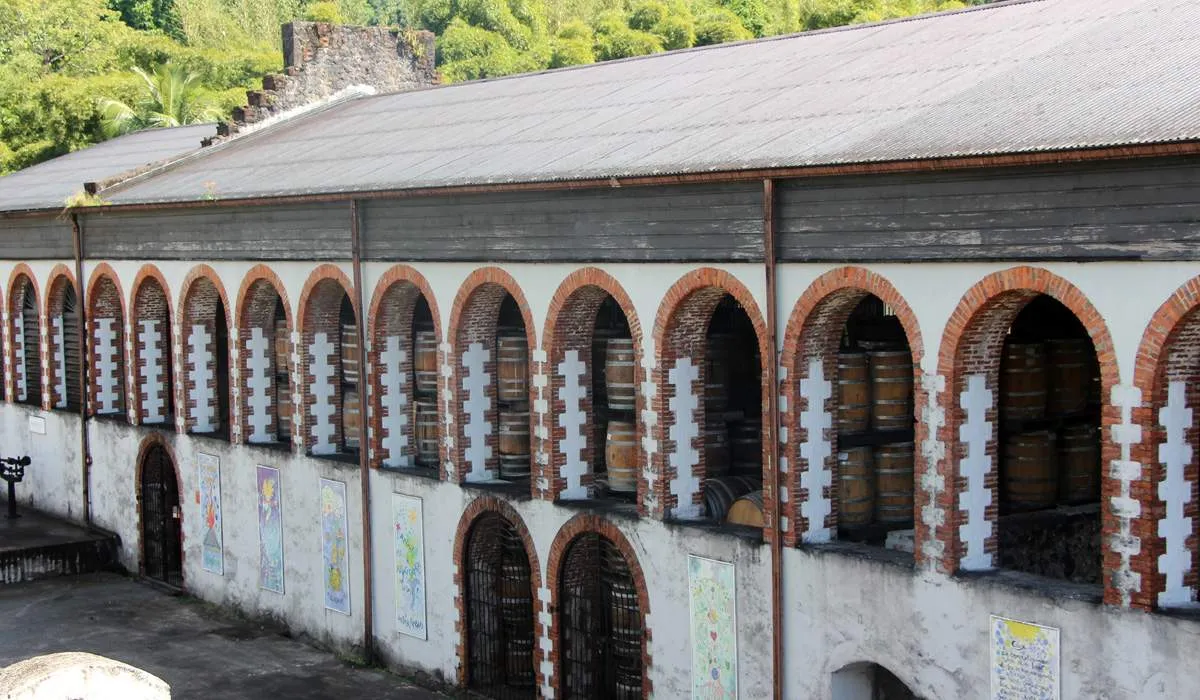
Photo gallery
Ruins of Dubuc Castle
Sign of Dubuc Castle

Paul Gauguin Heritage Interpretation Center

Five months! This is the duration of stay of the painter Paul Gauguin (1848-1903) in Martinique, the island he had already visited as a sailor. Indeed, Eugène Henri Paul Gauguin arrived in Martinique in June 1887 and stayed there for five months.

The painter, left with his painter friend Charles Laval work on the construction of the Panama Canal, decided to join Martinique as soon as he would meet the necessary sum.

During these five months, Gauguin moved to the Anse Turin in Le Carbet. He painted twelve paintings and had a natural daughter.

Gauguin lived in precarious conditions, which forced him to return to France in October 1887.

However, his Martinican experience will remain as a turning point in his life as an artist and in his painting.

The Paul Gauguin Heritage Interpretation Center pays tribute to the painter, his work, especially during his stay in Martinique.

Closed for four years for renovations, the museum reopens in April 2014 under the name Centre d'Interprétation du Patrimoine (C.I.P.)  Paul Gauguin (Paul Gauguin Heritage Interpretation Center). In a modernized set, with a fun and interactive media space, the Paul Gauguin Interpretive Center offers the public a dive into all the senses in the world of the painter and his stay in Carbet in 1887.

A new space for temporary exhibitions to promote young artists (including schools) from Martinique and the Caribbean. Numerous exhibitions and projects are planned every year.

Do not hesitate to contact the museum for more information.

Photo gallery
Village in Martinique according to Paul Gauguin
Mango trees according to Paul Gauguin
Swimming pool according to Paul Gauguin

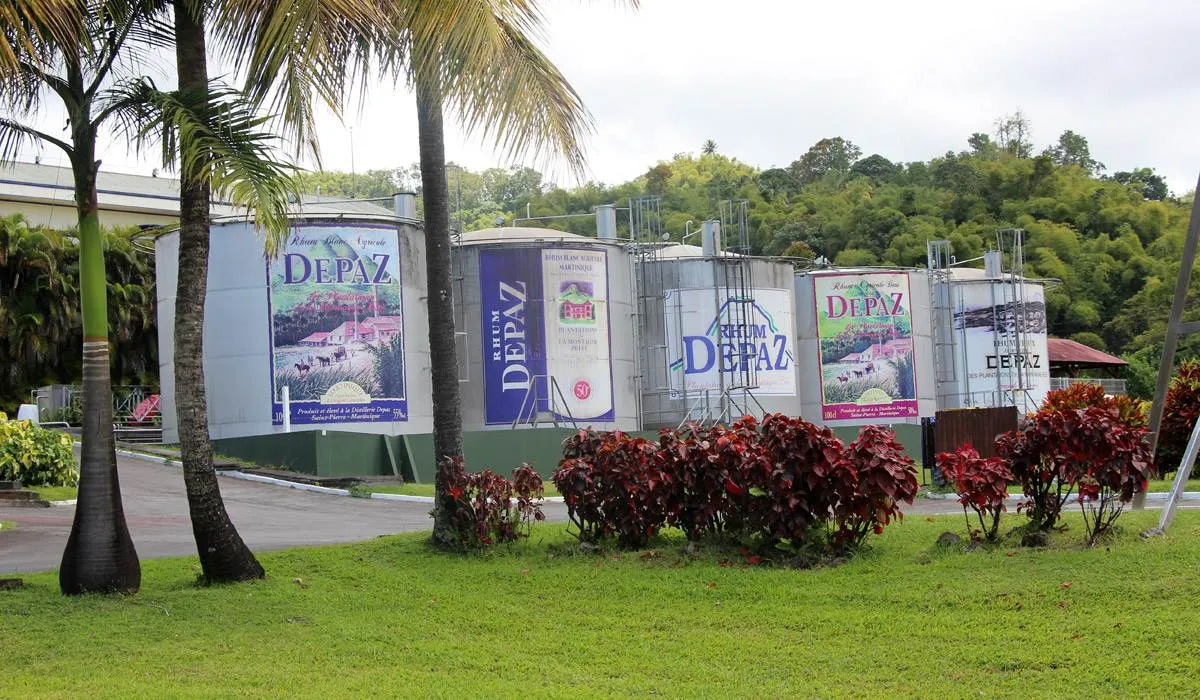
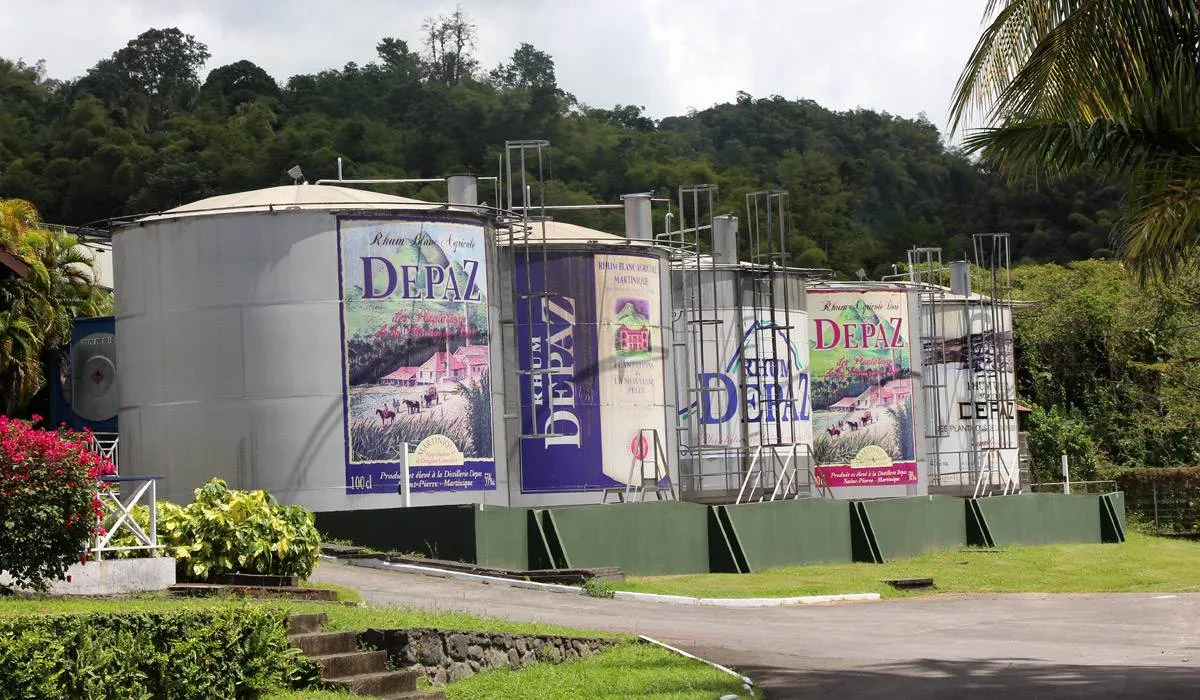
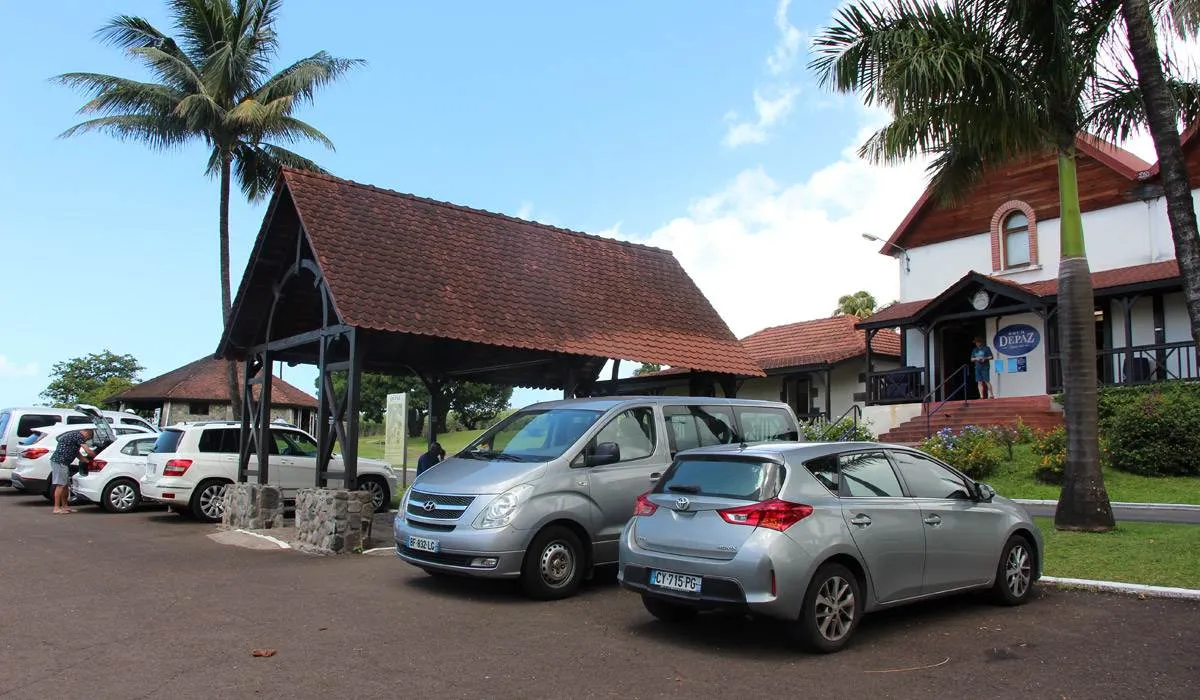
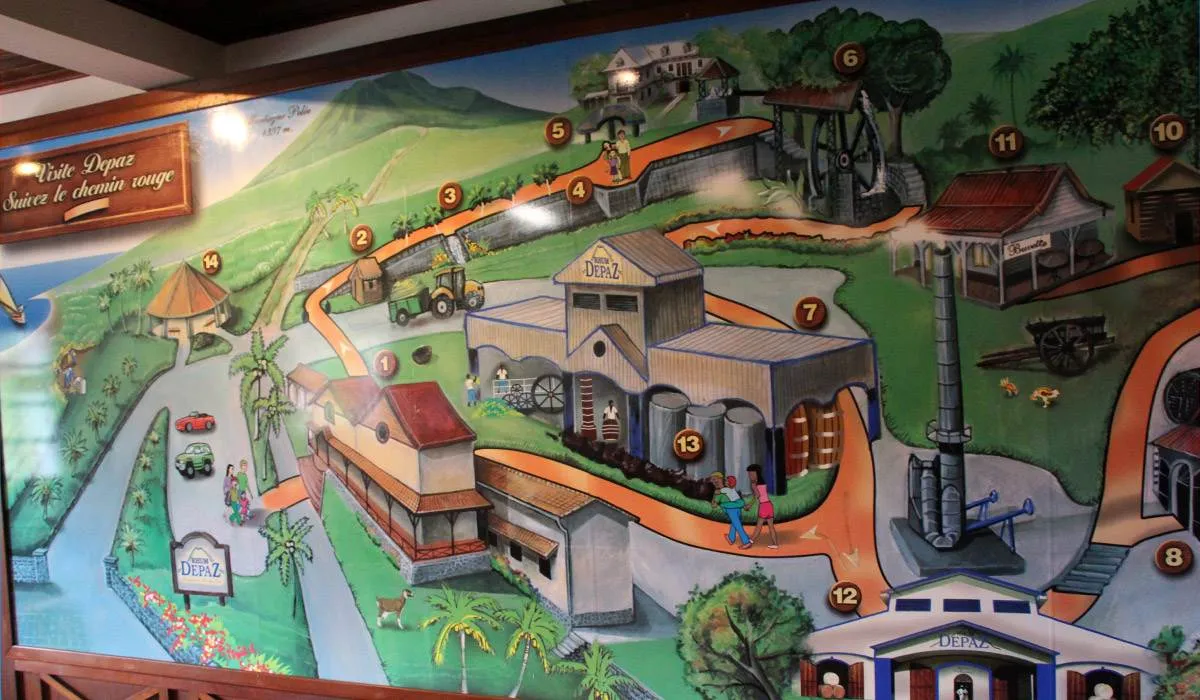
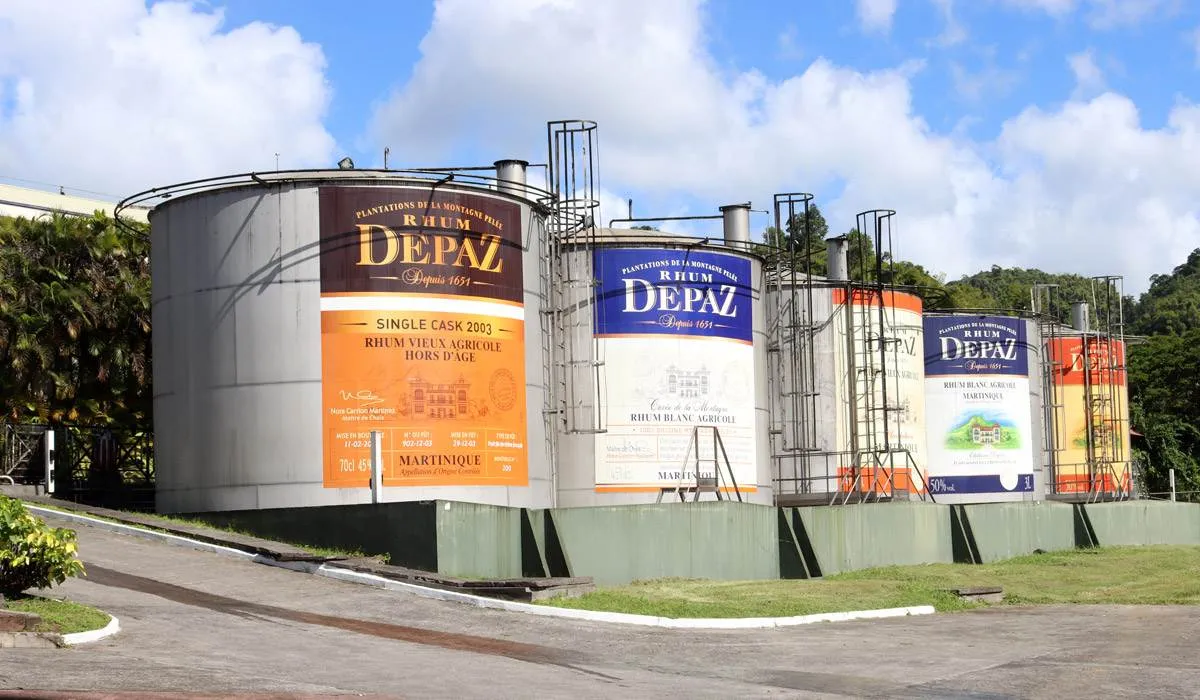
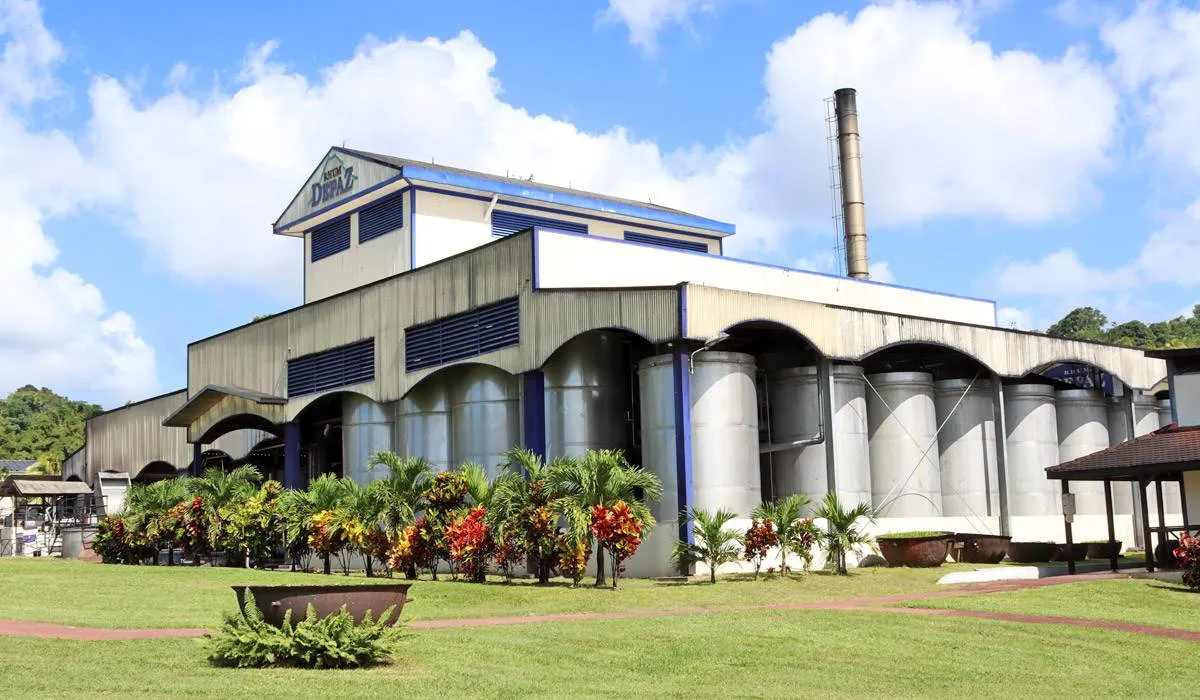
Depaz Distillery

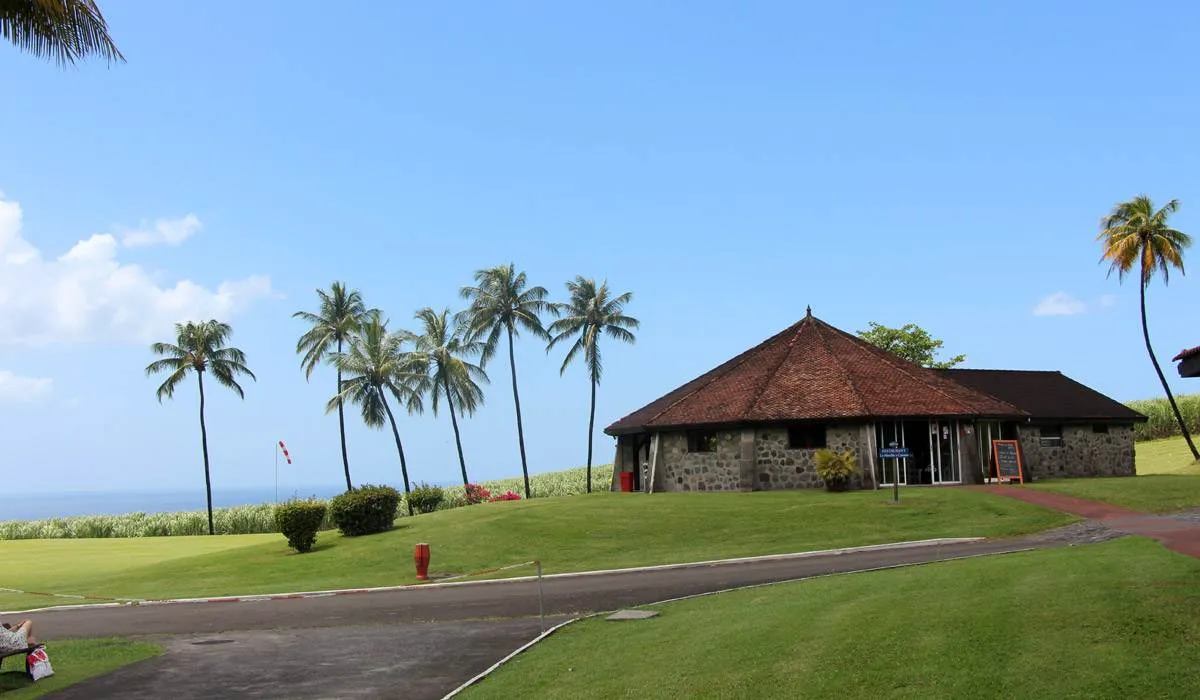
On May 8, 1902, the Depaz family disappeared during the eruption of Mount Pelée, which also destroyed the town of Saint-Pierre. The only member of the Depaz family to escape the tragedy was Victor Depaz, then a young student living in Bordeaux, where he was studying. Once he had completed his studies, Victor Depaz, now an orphan and penniless, returned to Saint-Pierre to the Habitation Périnelle, where he had been born in 1886.

On the symbolic date of May 8, 1917, 15 years after the eruption, Victor Depaz bought the 521 hectares of fallow land at Habitation Pécou from the d'Aurigny family and started up the distillery he had built to crush the cane he was planting on the slopes of Mount Pelée.

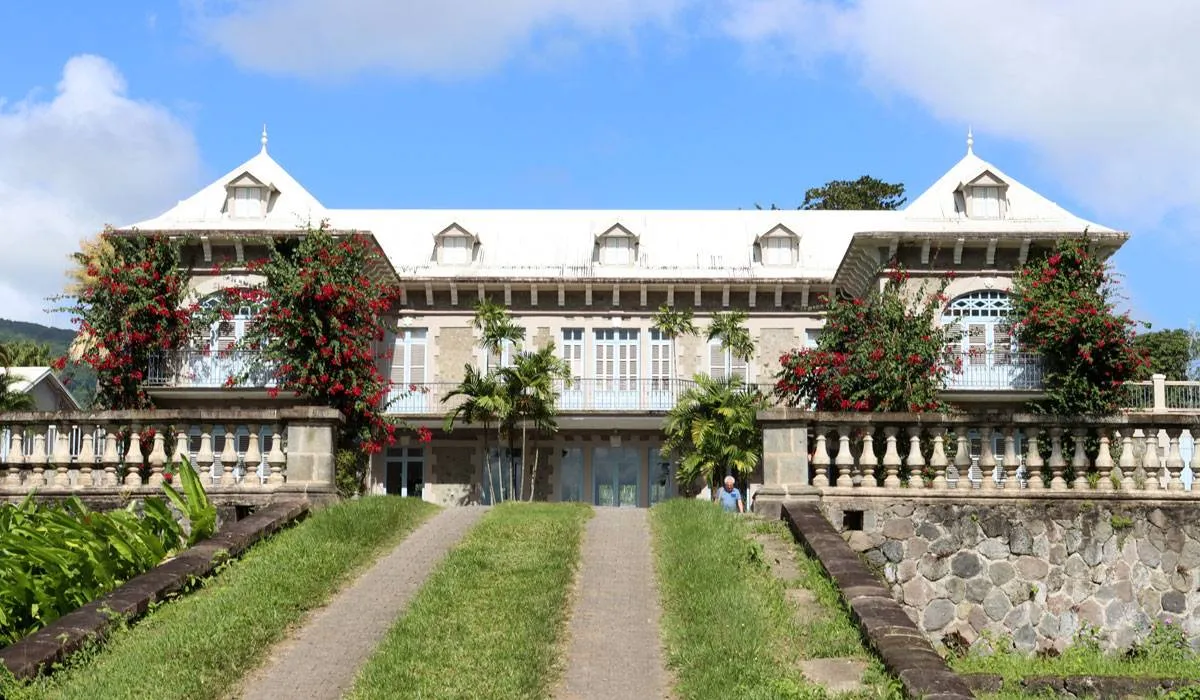
He began construction of “Château Depaz,” a replica of Habitation Périnelle, where he had spent his childhood. He moved there with his wife and eight children in 1923. He would have eleven children in total.

Depaz rum won its first medal at the Marseille exhibition in 1922, then again in 1927 and 1931.

The reputation for quality of Depaz rum grew year after year under the leadership of Victor's sons, first Henri Depaz, then, from 1986, his twin brother André.

In 1989, André Depaz joined forces with the Bordeaux-based family group Bardinet, a long-standing customer of the Depaz Distillery, and continued the work begun by Victor Depaz, first with Bardinet and later with the new owner of La Martiniquaise.

Photo gallery
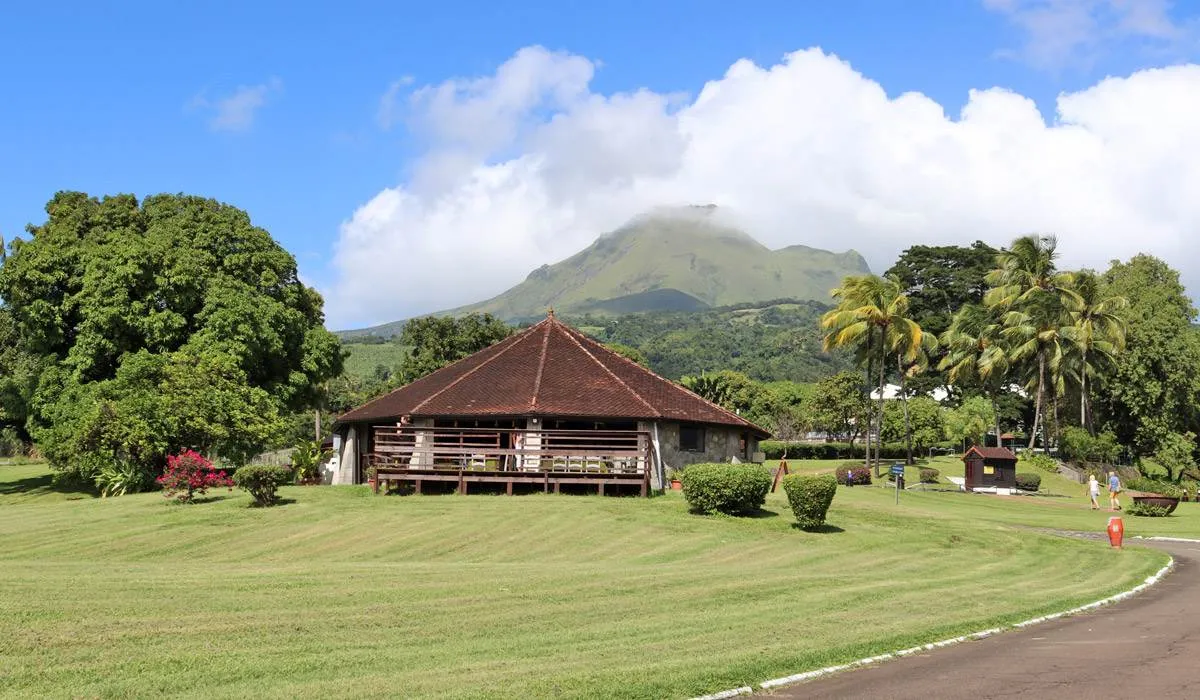
Depaz distillery
Depaz distillery
Depaz distillery
Depaz distillery
Parking of Depaz distillery
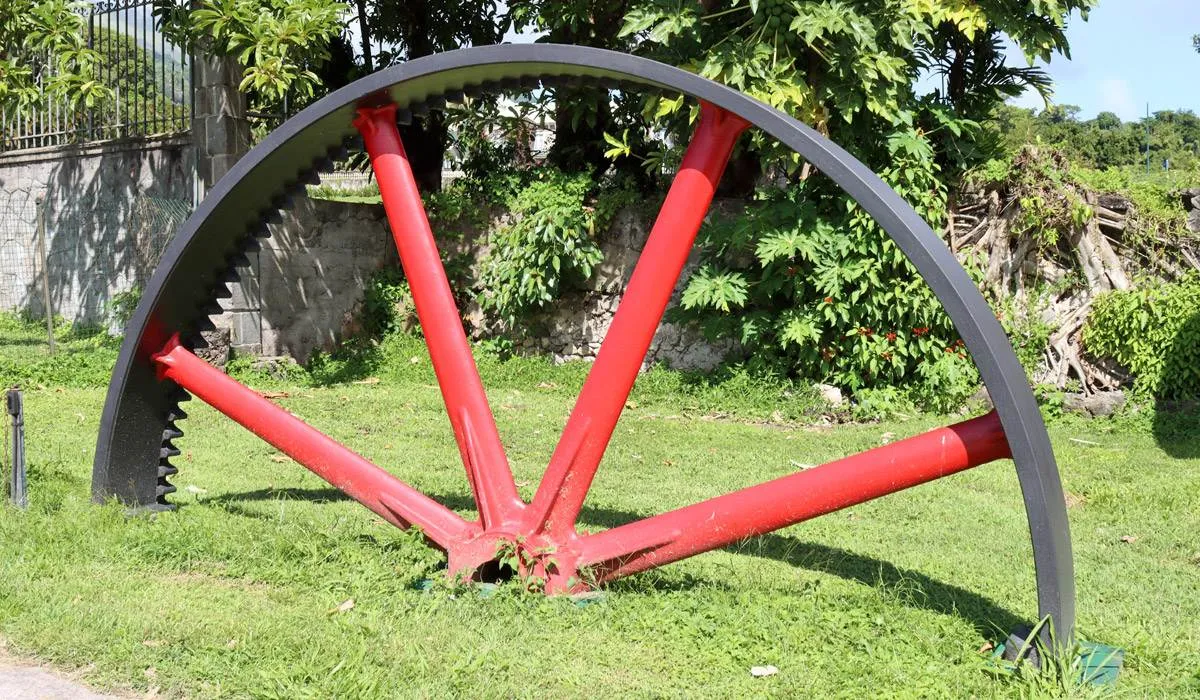
Mill at Depaz distillery
Depaz distillery's store
Depaz distillery
Depaz distillery
Depaz distillery
Depaz distillery
Depaz distillery
Depaz distillery
Depaz distillery
Depaz distillery
Mill at Depaz distillery
Depaz castle
Depaz castle

Habitation Saint-Étienne

Habitation Saint-Étienne, or H.S.E., is a distillery built to replace an old sugar mill, La Maugée, covering more than 400 hectares from Gros-Morne to Saint-Joseph.

In 1882, the distillery was bought by Amédée Aubéry, a young captain of industry who became one of the iconic figures of the Martinican economy. Towards the end of the 19th century, faced with the sugar crisis, it was converted into a distillery, like many sugar plantations of the time.

Amédée Aubéry expanded the factory and gave it a remarkable façade with 28 arched windows, ensuring optimal ventilation of the building. He modernized the entire facility to maximize rum production efficiency.

In 1909, the distillery was bought by the Simonnet family, who developed the business until its decline in the late 1980s. In 1994, Yves and José Hayot took over the operation, relaunched the Saint-Étienne brand, and undertook the restoration and enhancement of the architectural heritage of the property.

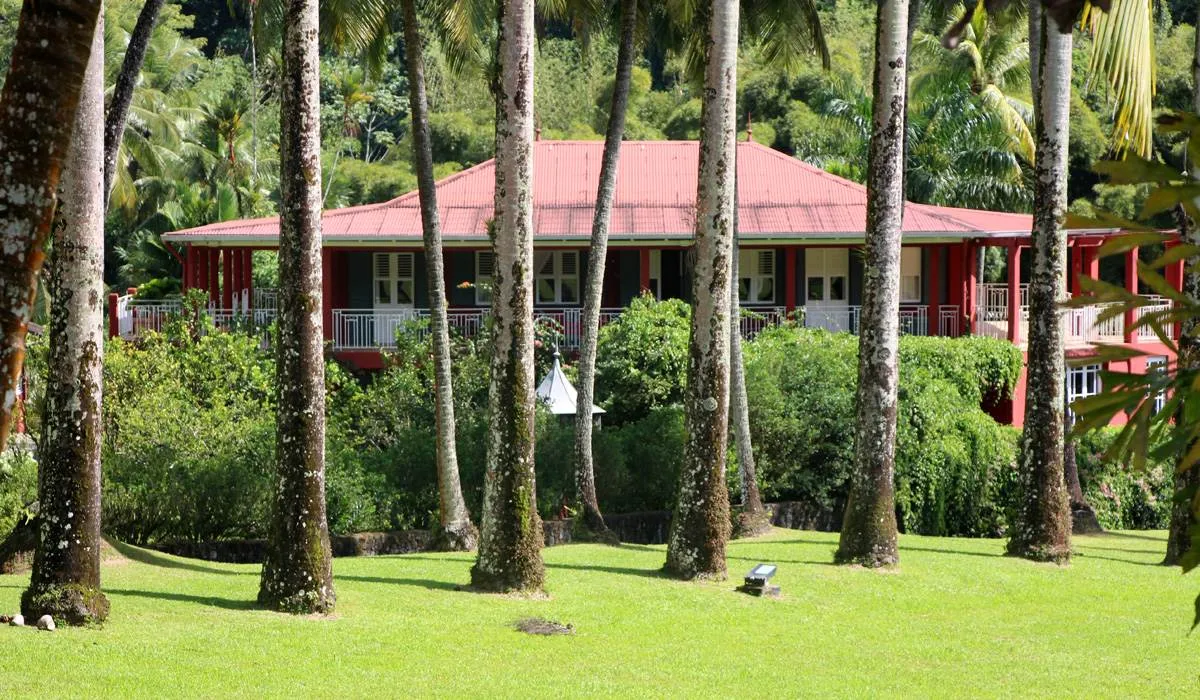
Today, although rum distillation no longer takes place (since 1988), it continues to produce rums, known as HSE rums. Its preserved architectural ensemble is one of the best examples of the housing system in Martinique, offering a glimpse into life in the 19th century. The master's house and the former slave huts, later used by paid workers, have survived for two centuries and are open to visitors.

The site is listed in the Supplementary Inventory of Historic Monuments (I.S.M.H.). During the tour, you can see how HSE rum is produced, including the barrel storage system and bottling process, before tasting the rums made on site. Numerous exhibitions are held there throughout the year.

Photo gallery
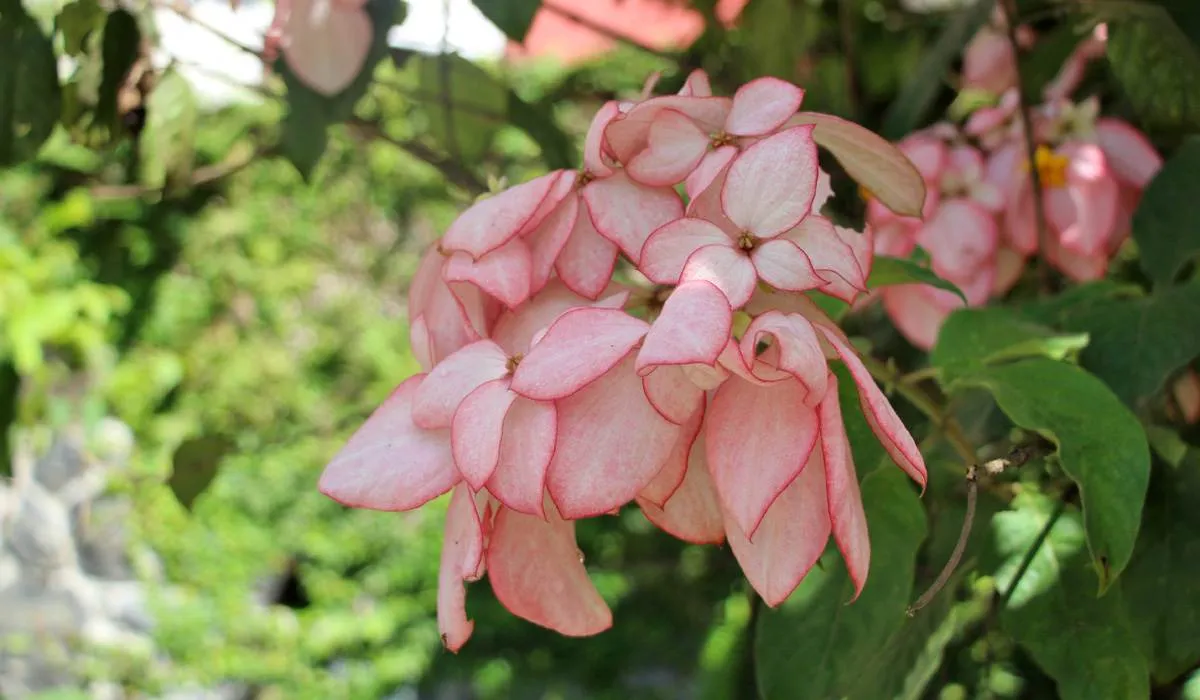
Pink flowers at Habitation Saint-Étienne
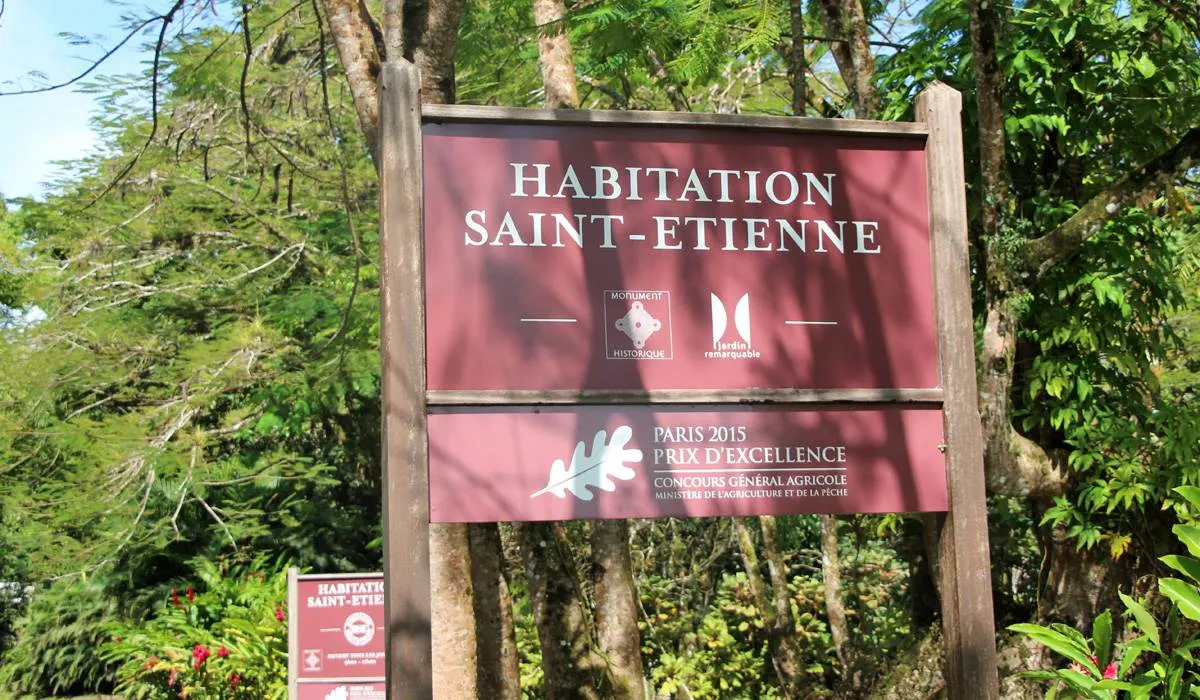
Entrance to the Habitation Saint-Étienne
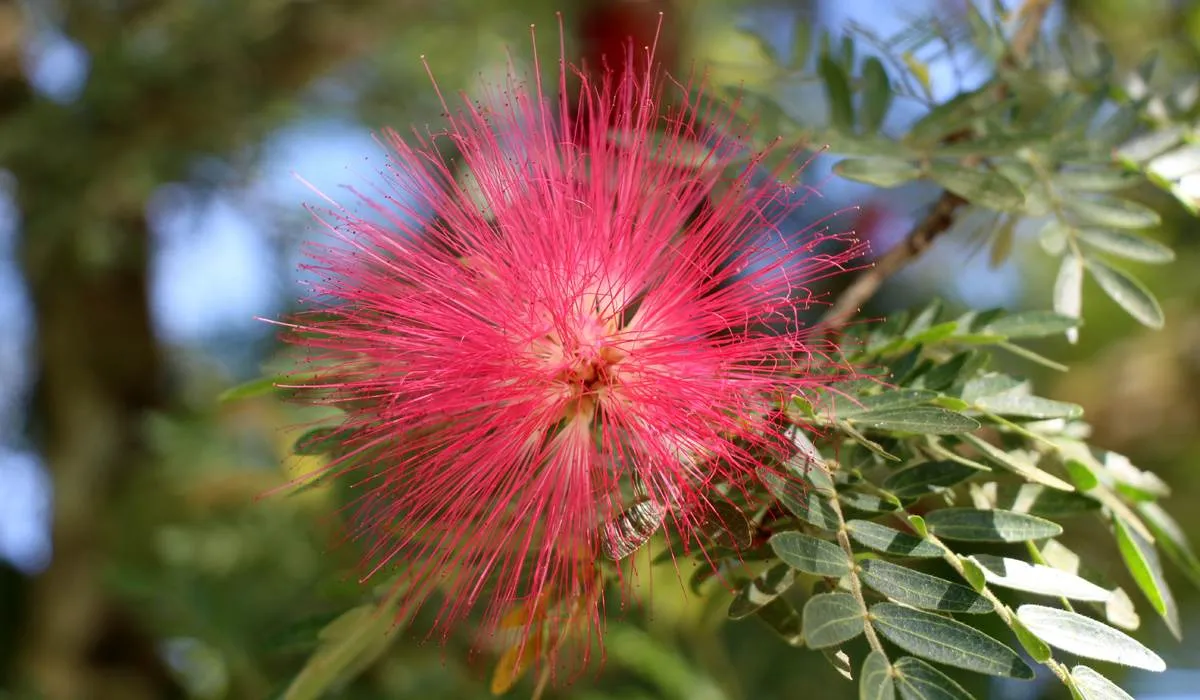
Red flower at Habitation Saint-Étienne
Main house at Habitation Saint-Étienne
Production of aged rum at Habitation Saint-Étienne

Savane des esclaves

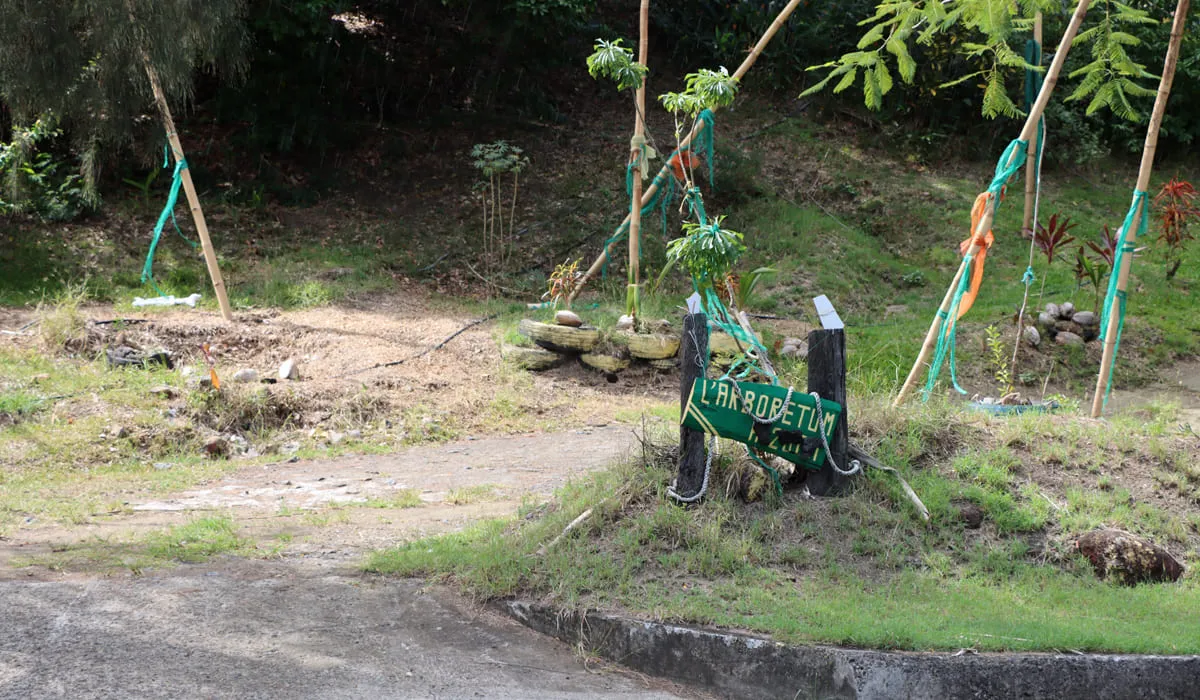
Located in the rural area of Trois-Ilets in the La Ferme neighborhood, Savane des Esclaves is a 2-hectare park created by Gilbert Larose.

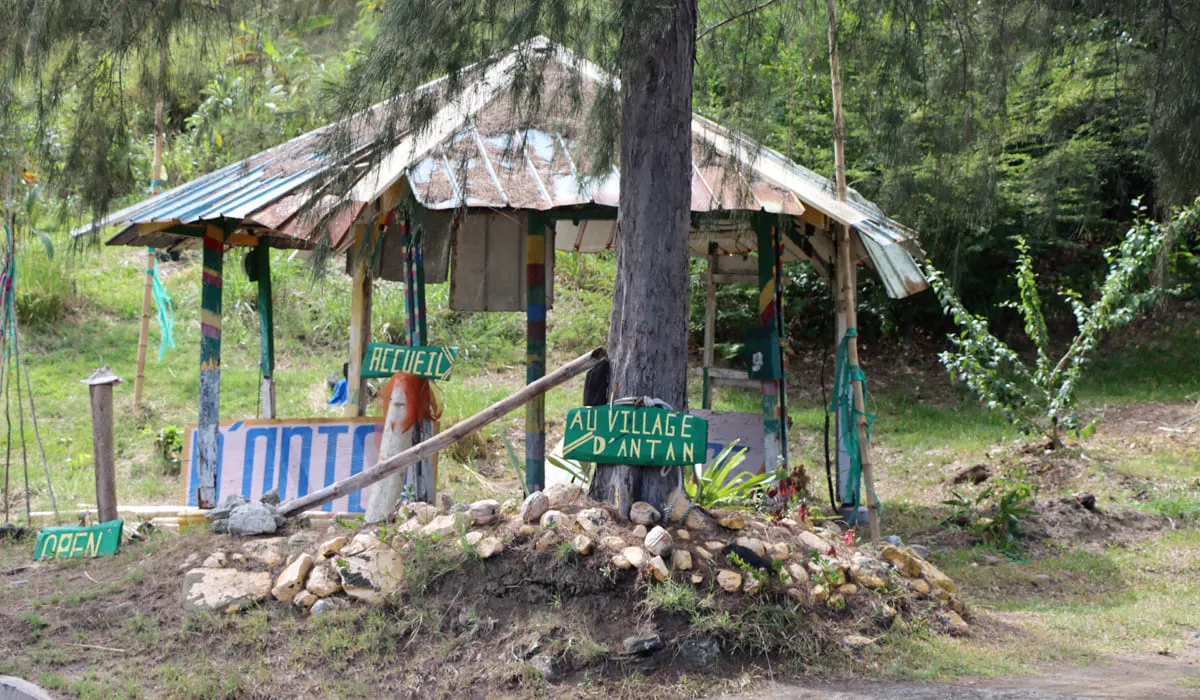
Without any financial assistance and on his own initiative, Gilbert Larose first cleared the area and rebuilt an “Antan Lontan” village, complete with dwellings and the lifestyle of the “nèg-mawon,” slaves who had fled the plantations to take refuge on the hills and lived independently.

He also planted bananas, Chinese cabbage, sweet potatoes, and cassava. The guided tour lasts about an hour. It will take you back in time to discover Martinique's past and traditions.

During this guided tour, you will see wooden huts, medicinal plants, gardens, and birds, as well as a small museum dedicated to slavery. Activities (cassava and cocoa making, tastings, and concerts) are regularly offered on the theme of slavery and Martinique's past.

A shop sells the farm's produce, and to delight the little ones, they can buy ice cream and fruit juice there.

To get there, head towards Les Trois-Ilets and then follow the signs.

Photo credit: https://www.lasavanedesesclaves.fr
Photo gallery
Wooden hut in the Slave Savannah
Slave village at the Slave Savannah