History
Basil, whose scientific name is Ocimum basilicum, is a plant species native to India. It has since become naturalized and is now cultivated throughout tropical regions of the world. Basil was introduced to the Caribbean by Spanish colonists at an unknown date. Since then, it has become part of local cuisine and flavors many of our dishes.
Returning to the history of basil, it blends a prestigious past with a sacred dimension across various civilizations. Originally from India, basil reached the Middle East, and it was Arab merchants who introduced it to Europeans at the end of the 15th century. It was at the beginning of the 16th century that it was brought to France. Very quickly in Europe, it became a “royal herb.” Only the sovereign or certain religious dignitaries were allowed to pick it.
Basil was associated with life, and especially with death, in Greek and Egyptian civilizations. In India, basil is sacred and dedicated to Vishnu and Krishna.
In the Bible, it is said that basil grew around Christ’s tomb.
In Roman civilization, basil was considered the romantic plant par excellence. It was the plant the Romans offered to their beloved. Many legends surround basil. The most surprising claimed that basil gave birth to scorpions: placing a few basil leaves under a stone would supposedly result in a scorpion appearing a few days later. Dried basil leaves were also valued for clearing the mind, though this practice was controversial because some believed it could generate scorpions in the brain.
Today, basil is found everywhere, in Creole gardens or simply along the paths.
Varieties
There are many varieties of basil around the world. The leaves, aromas, and scents differ depending on the species.
In Martinique, the main varieties are Ocimum basilicum L. and Ocimum minimum L.
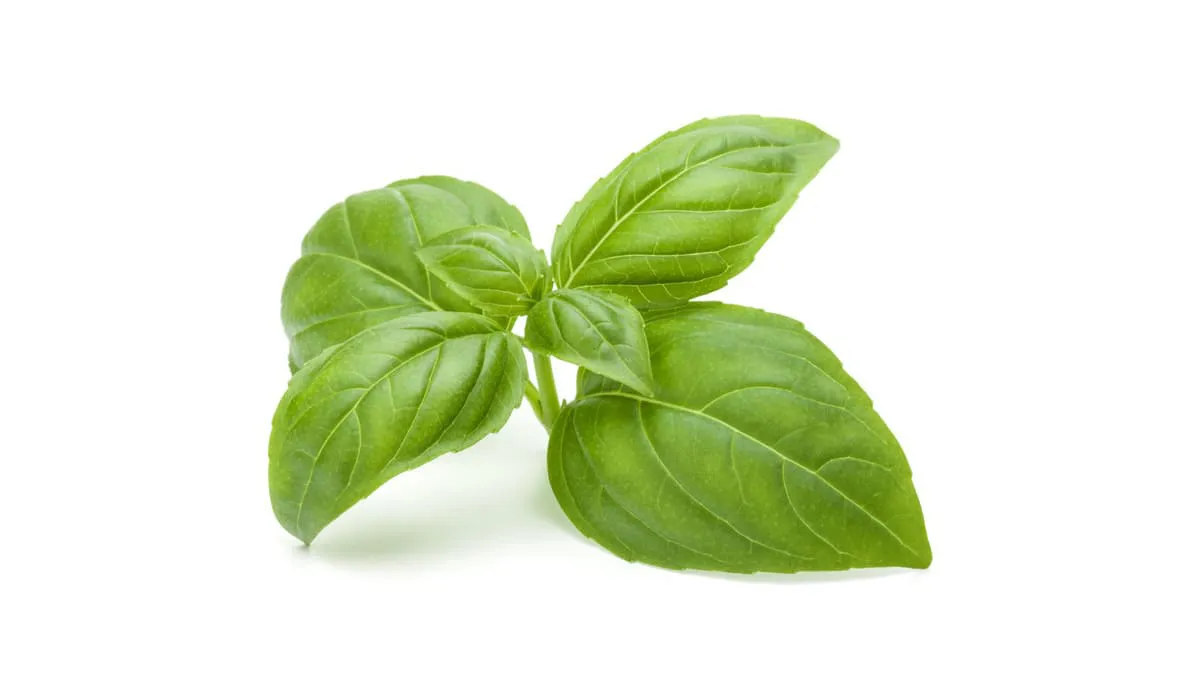
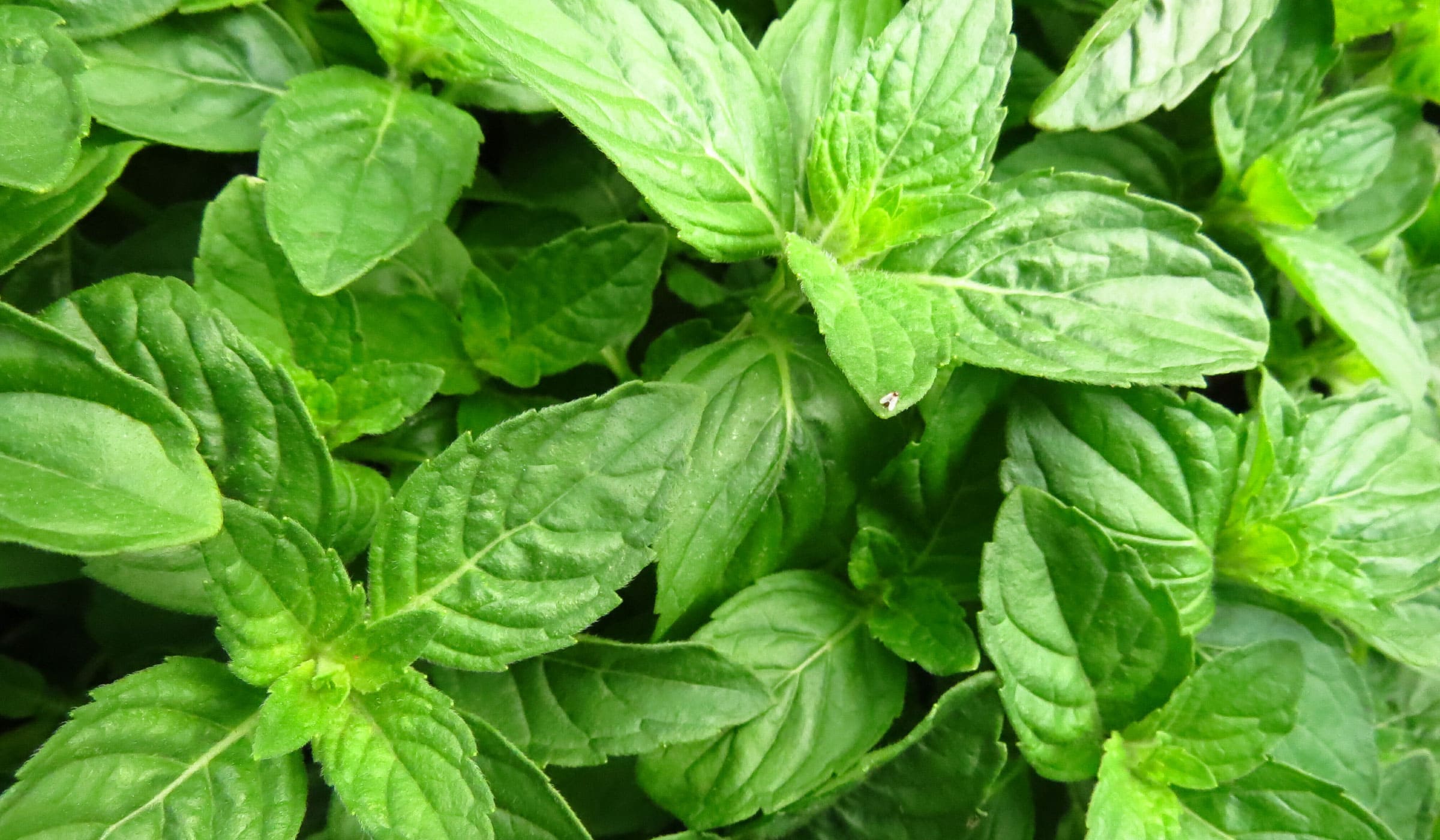
Basil is a woody herbaceous aromatic plant with branched stems measuring 15 to 45 cm in height. It is characterized by small, toothed, petiolate leaves that are oval or obovate, wedge-shaped at the base and pointed at the tip. The inflorescences form terminal racemes with whorled whitish flowers.
The two species found in Martinique differ in leaf size: Ocimum basilicum L. has leaves 2 to 5 cm long, while Ocimum minimum L. has smaller leaves, 1 to 2 cm long, with a more delicate fragrance.
Medicinal properties
Basil has many medicinal virtues. The plant is also cultivated for this purpose. In the past, basil was used mainly as an antispasmodic, antiepileptic, and detoxifying remedy.
In India, Brahmins considered it a sacred plant believed to protect against snake bites.
Basil essential oil was officially added to the French pharmacopoeia in 1975. It is also part of the Caribbean pharmacopoeia.
In our islands, it is used for cooling the body, either as a tea or in baths.
It is also known for its antispasmodic, stimulating, sedative, stomachic, and galactogenic properties (promoting milk production in breastfeeding women).
Basil can also be used for gastrointestinal disorders, dyspepsia, and constipation. Leaf infusions are recommended for headaches, insomnia, respiratory ailments, colds, flu, and fever.
It also helps prevent vomiting, particularly in pregnant women.
Leaf powder is said to be an excellent sternutatory (induces sneezing), used in cases of coryza.
Freshly crushed leaves soothe skin irritations, especially after insect bites. They were once used to repel mosquitoes.
Uses
Basil is an aromatic plant found in many local dishes. It is used in the preparation of meat and fish sauces.